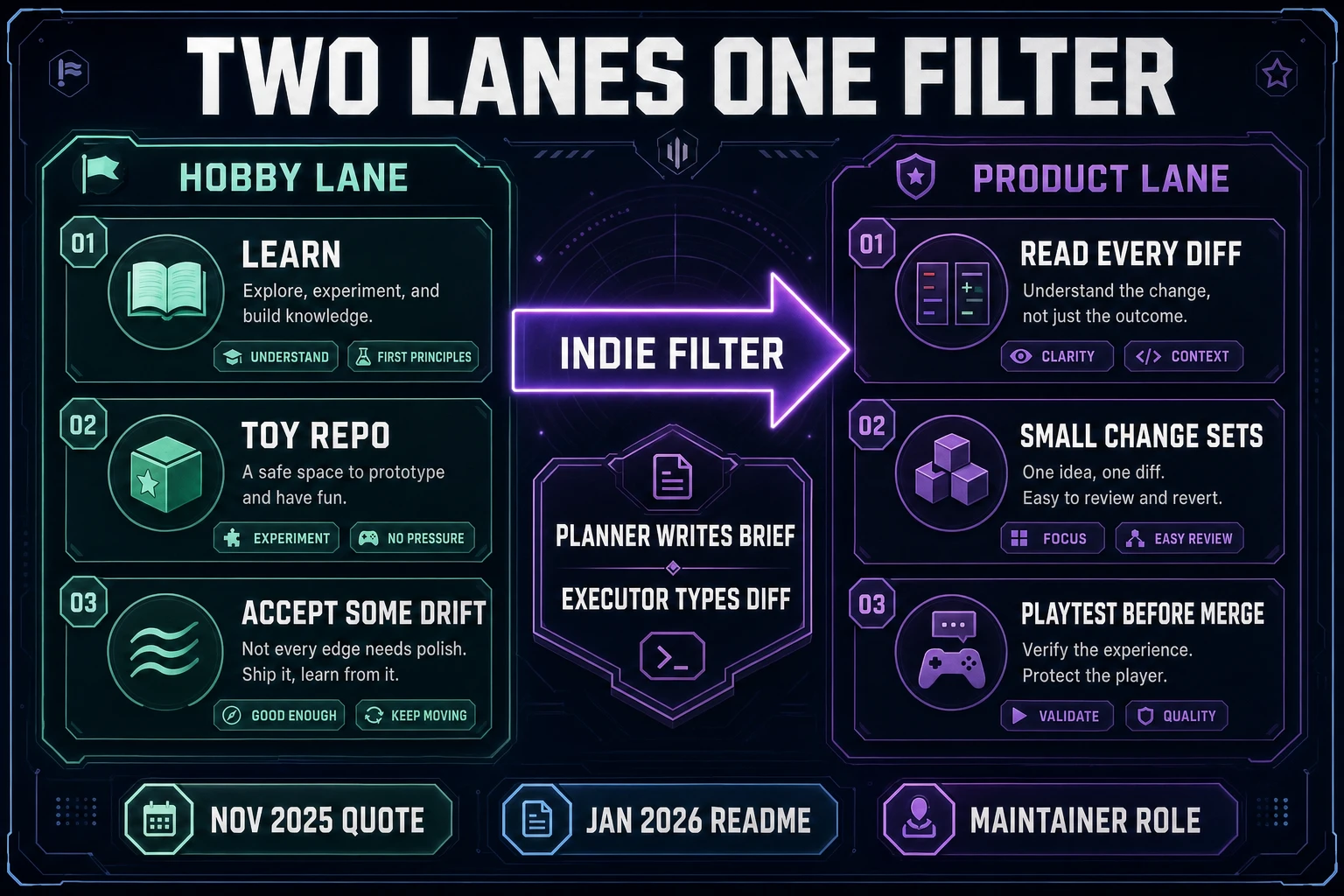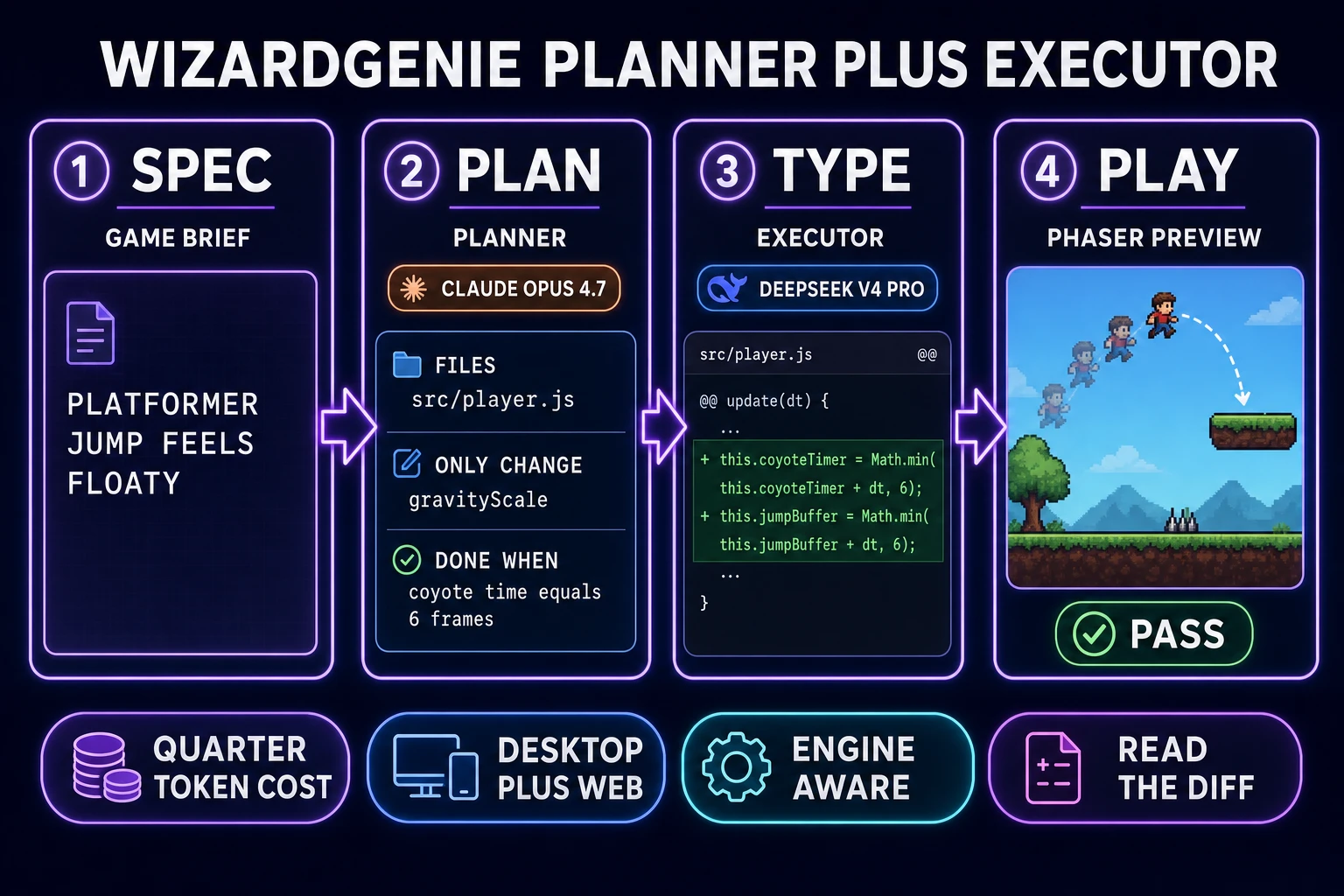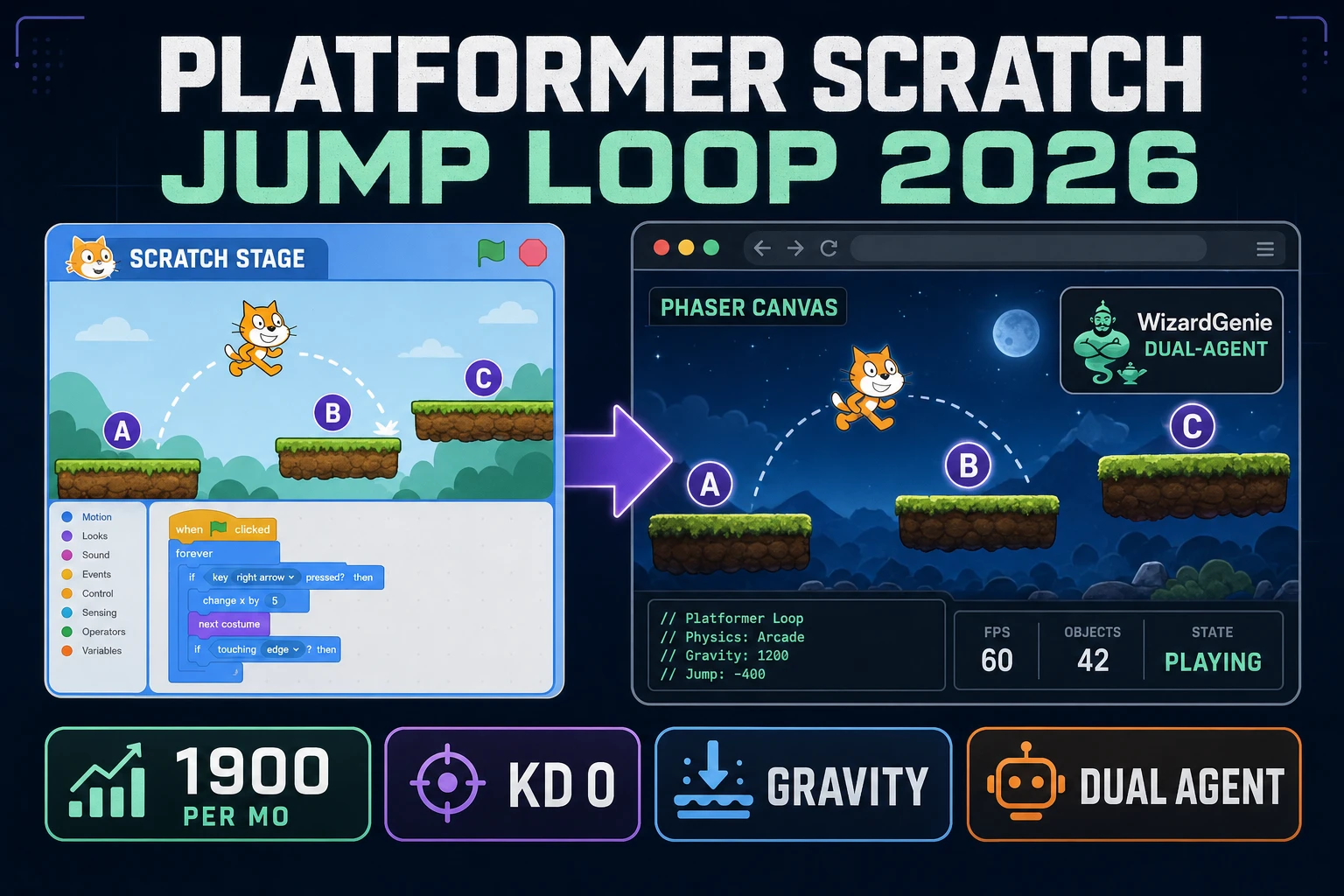
Search volume for linus torvalds vibe coding spiked because two timelines collided: a careful public stance from Torvalds at Open Source Summit Asia in November 2025, then a January 2026 README note where he admitted a hobby Python visualizer was “basically written by vibe-coding.” Indie game makers landed in the middle of that meme and asked a sharper question than the timeline threads usually answer — if the creator of Linux draws a line between learning toys and maintainable products, where does a jam prototype sit, and what does a sane filter look like when the deliverable is a playable Phaser loop instead of a kernel patch?
What linus torvalds vibe coding searchers actually want
DataForSEO lists linus torvalds vibe coding at 1,600 searches a month with KD 12 and navigational intent (verified 2026-10-12 in tools/research-supplement.md, vibe coding seed). Adjacent phrases in the same cluster include best vibe coding tool (1,600/mo, KD 9), vibe coding reddit (1,000/mo, KD 10), and claude vibe coding (880/mo, KD 7). The head query is not “what is vibe coding” — that cluster already has dedicated explainers — and it is not “which SaaS won a leaderboard.” It is “what did Torvalds actually say, and how should a small game team act on it?”
Wikipedia’s Vibe coding page (verified 2026-10-12) defines the practice as describing a project in natural language to a large language model that generates source code, notes Andrej Karpathy’s February 2025 coinage, and records Collins English Dictionary naming it Word of the Year for 2025. The same page catalogues the standing critique: accountability, maintainability, and security risk when AI-generated code ships without review. That background is the floor. The Torvalds-specific query sits one layer above it — people want his filter language, not another glossary entry.
What Torvalds said in November 2025 (verified today)
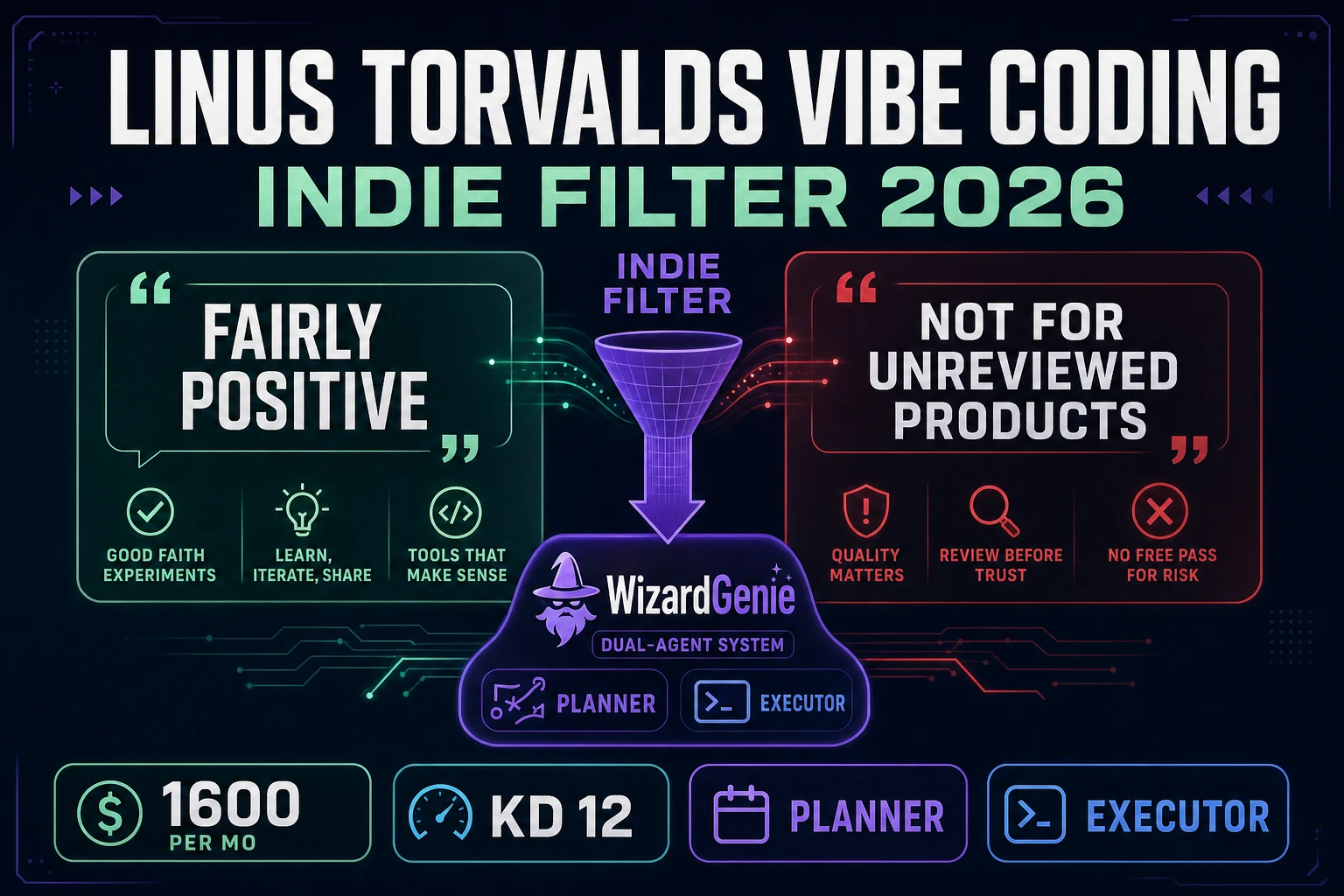
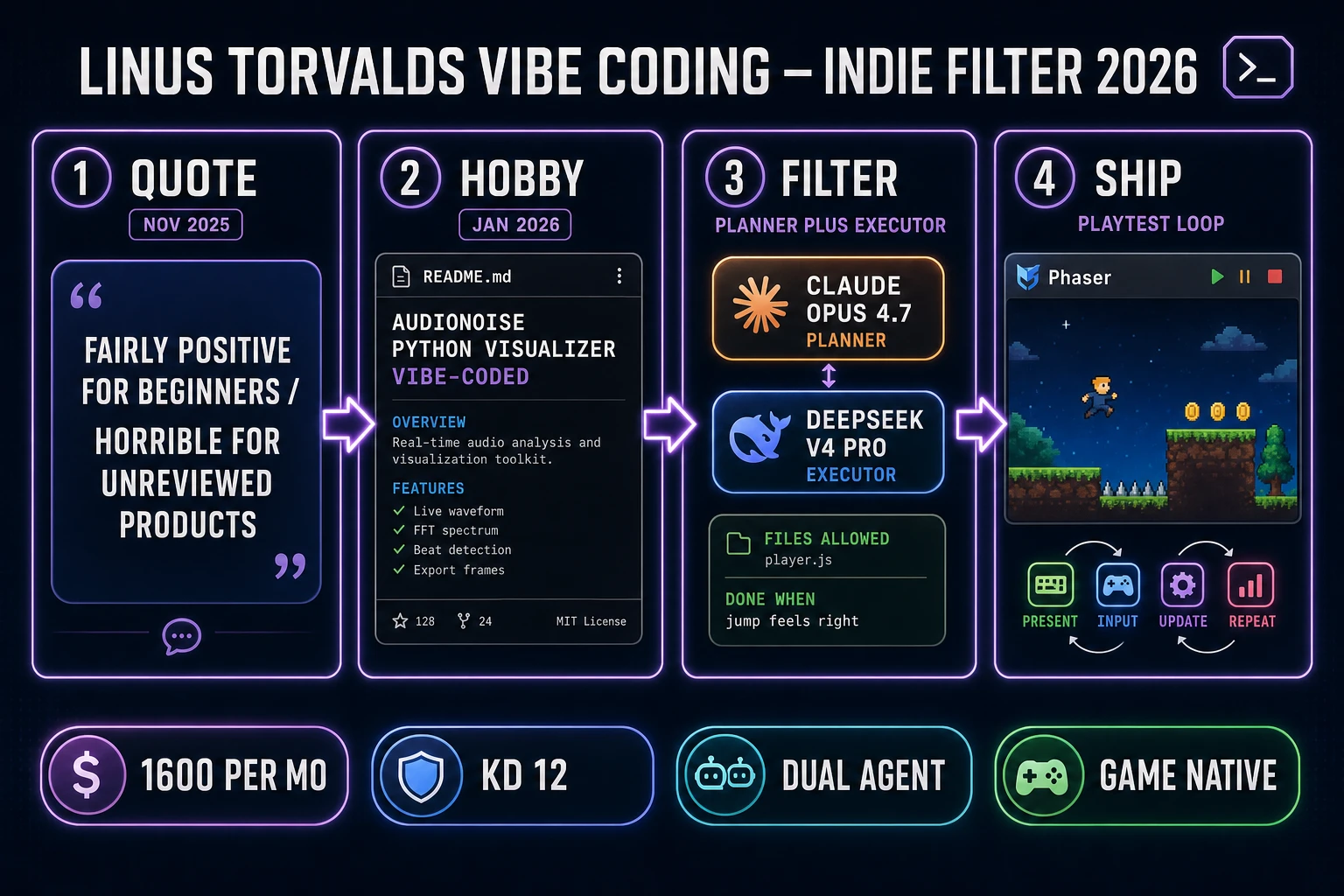
At Open Source Summit Asia in South Korea, Torvalds described himself as “fairly positive” about vibe coding as a path for newcomers to get computers to do something they could not otherwise do, while warning that it “may be a horrible, horrible idea from a maintenance standpoint, if you actually tried to make a product.” He also scoffed at people who “hope to make billion-dollar companies by just using vibe coding.” Those quotes were reported by Gizmodo on 20 November 2025 and re-checked for this article on 2026-10-12.
Three clauses matter for game teams:
- Gateway, not ban. He explicitly frames vibe coding as a way in — excitement, first working programs, the modern version of typing listings out of magazines.
- Maintenance is the veto. The “horrible” language attaches to shipping an unreviewed product you cannot explain, debug, or evolve.
- Tool, not replacement. In the same conversation he compared AI to compilers: productivity goes up, programmers do not disappear, and the healthy end state is when the tool is boring infrastructure instead of constant hype.
Nothing in that interview says “never prompt an agent.” Everything in it says “do not confuse a prompt session with a release process.”
What changed in January 2026: he vibe-coded a hobby tool
Two months later the story got concrete. Torvalds’ AudioNoise hobby repo — a “silly guitar-pedal-related” random digital audio effects project — included a README note that the Python visualizer “has been basically written by vibe-coding.” He explained he knows more about analog filters than Python, started with his usual monkey-see-monkey-do copy pattern, then “cut out the middle-man — me” and used an AI coding tool for that visualizer. Ars Technica covered the README on 12 January 2026; Wikipedia’s Vibe coding page also records the episode (both verified 2026-10-12).
Read that carefully. The vibe-coded surface was a visualization helper on a toy project, in a language he did not specialize in, for a component he previously would have pasted from a forum thread. The audio/C core stayed on his normal discipline. That is the same two-lane structure as the November quotes: hobby lane open, product lane gated.