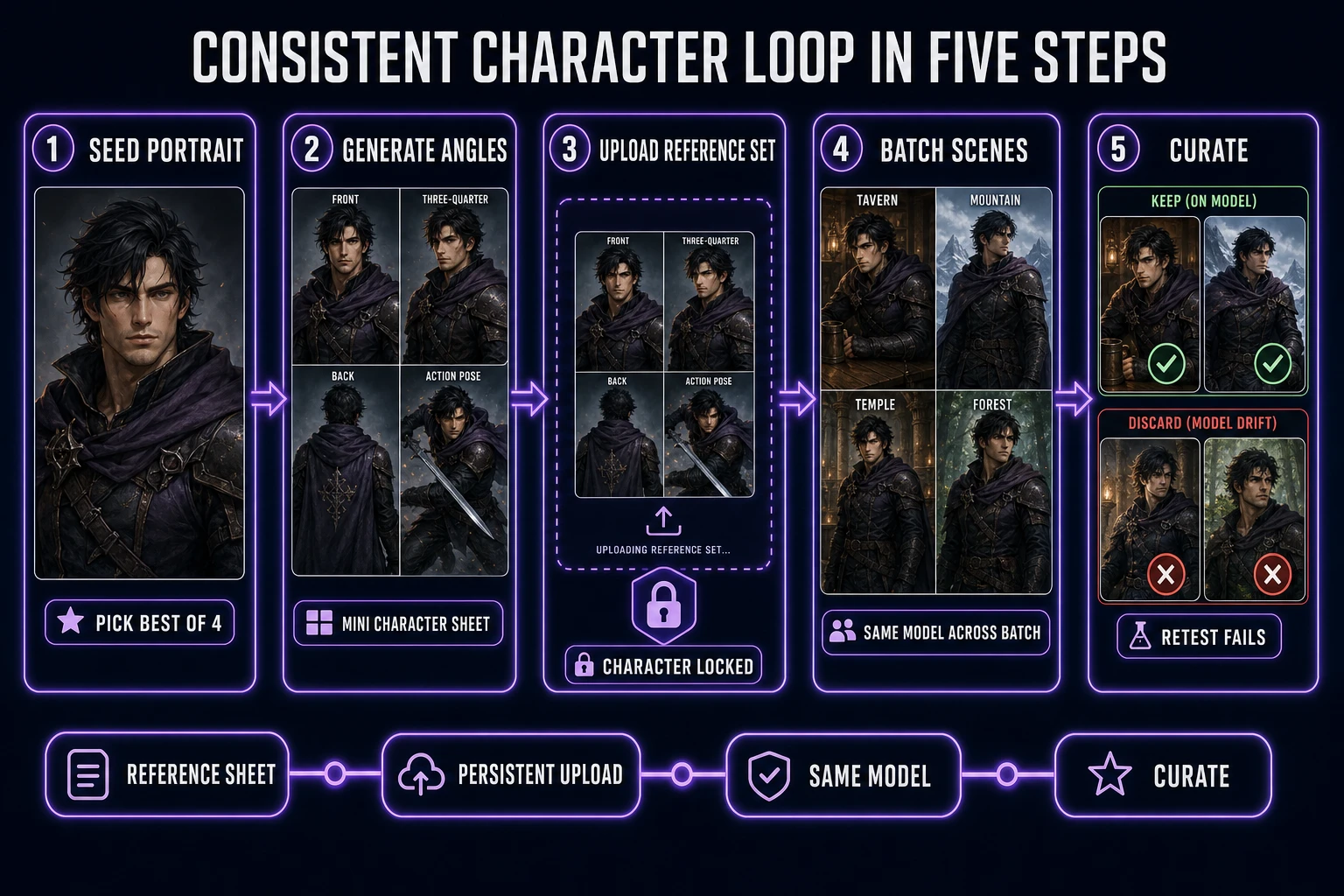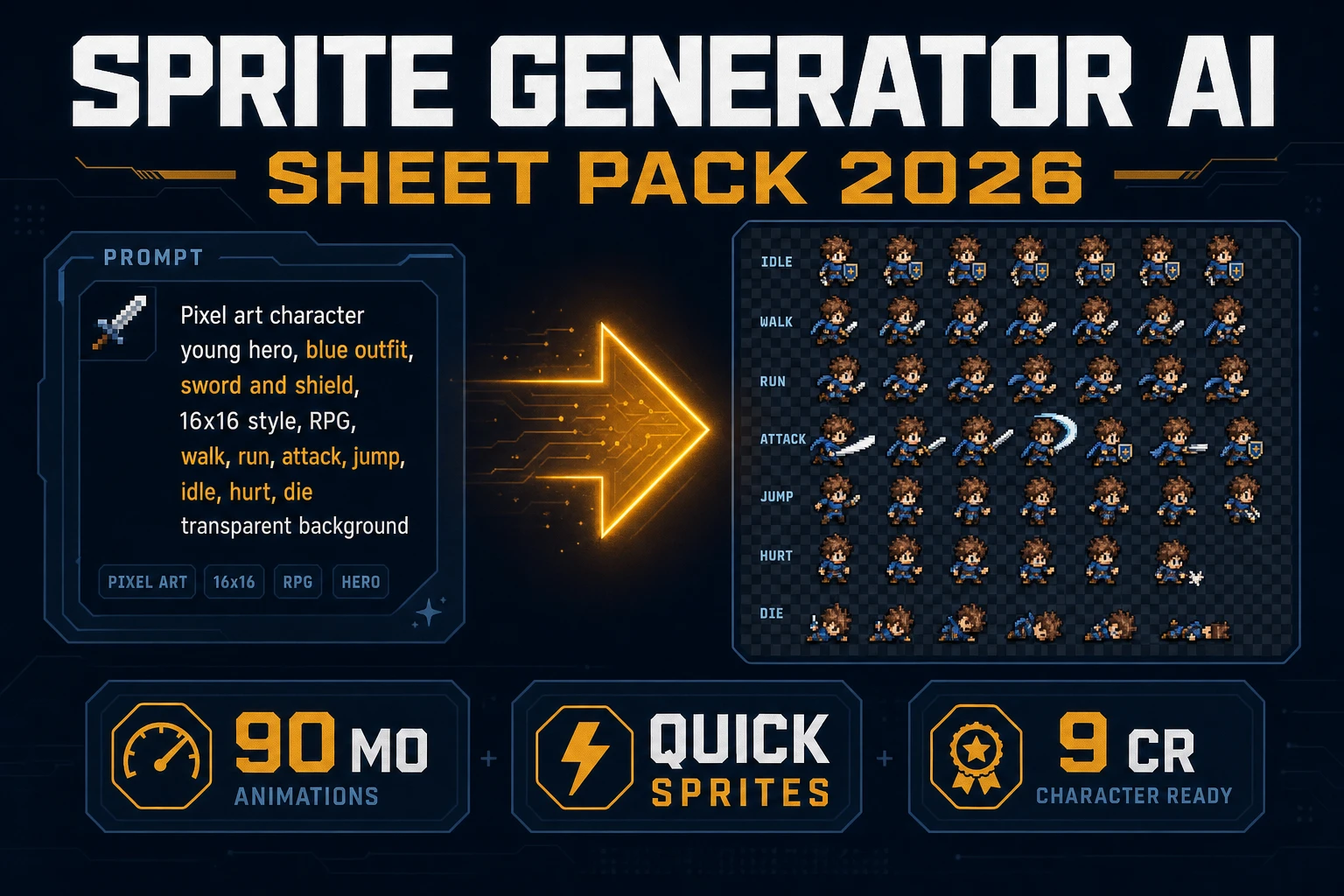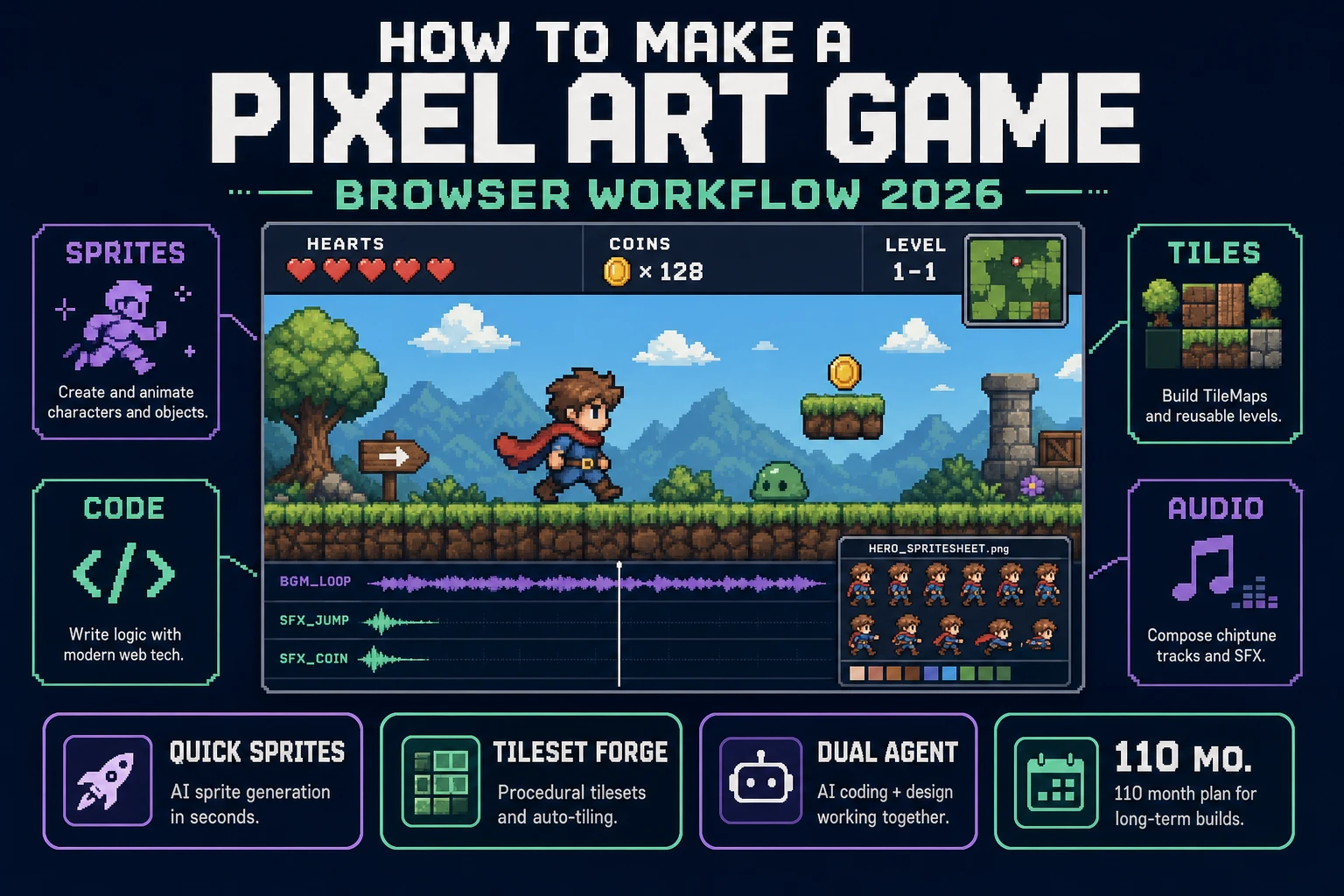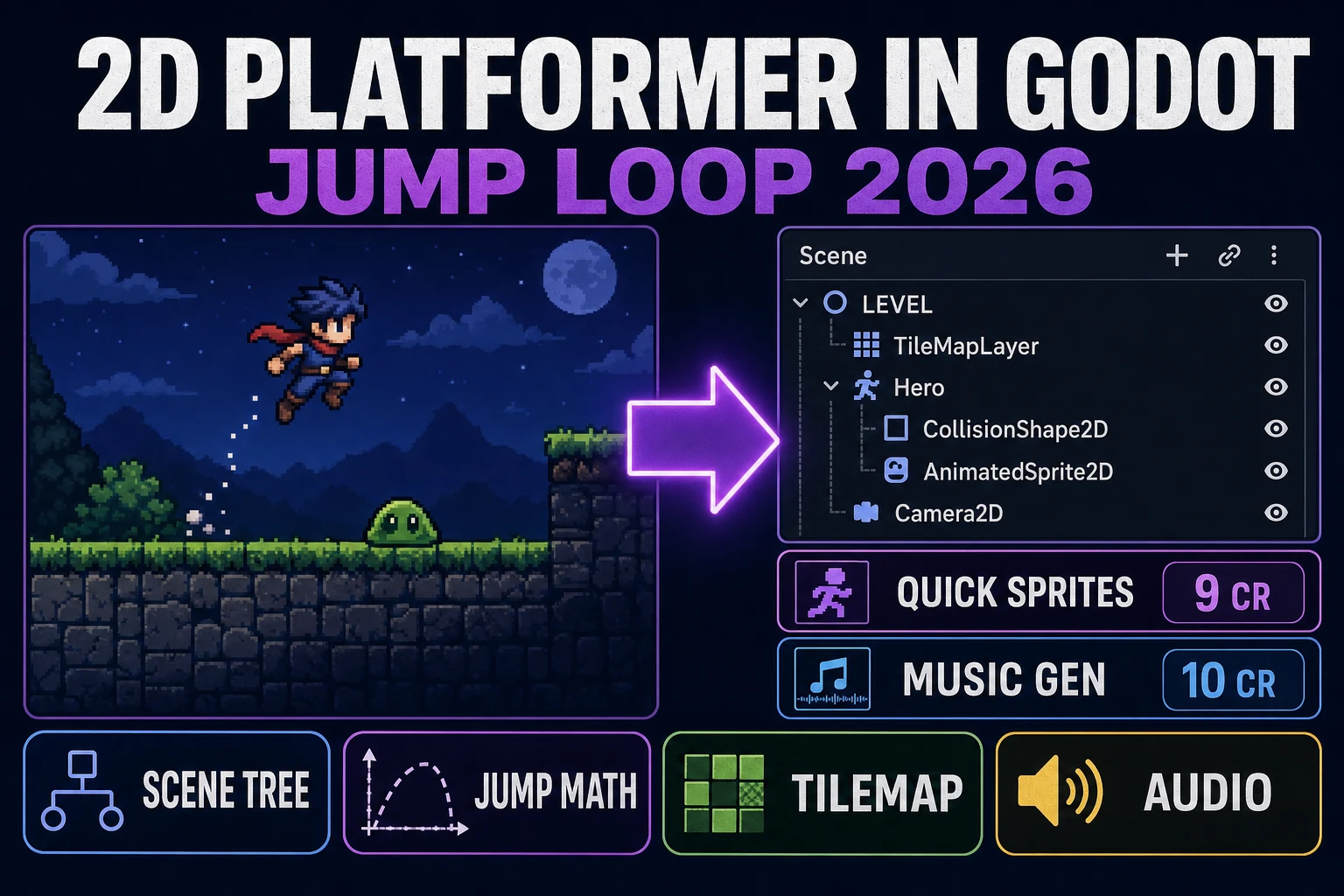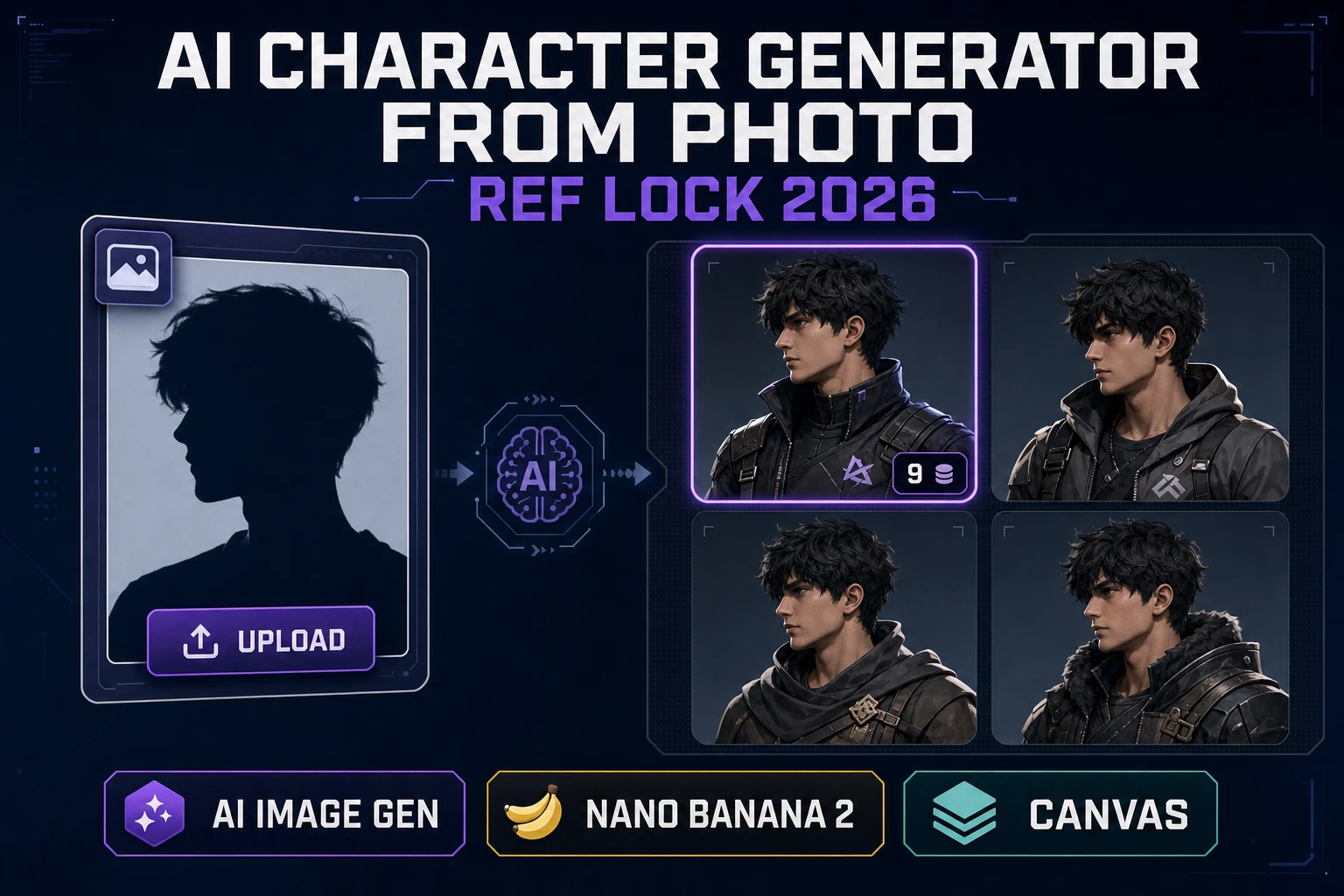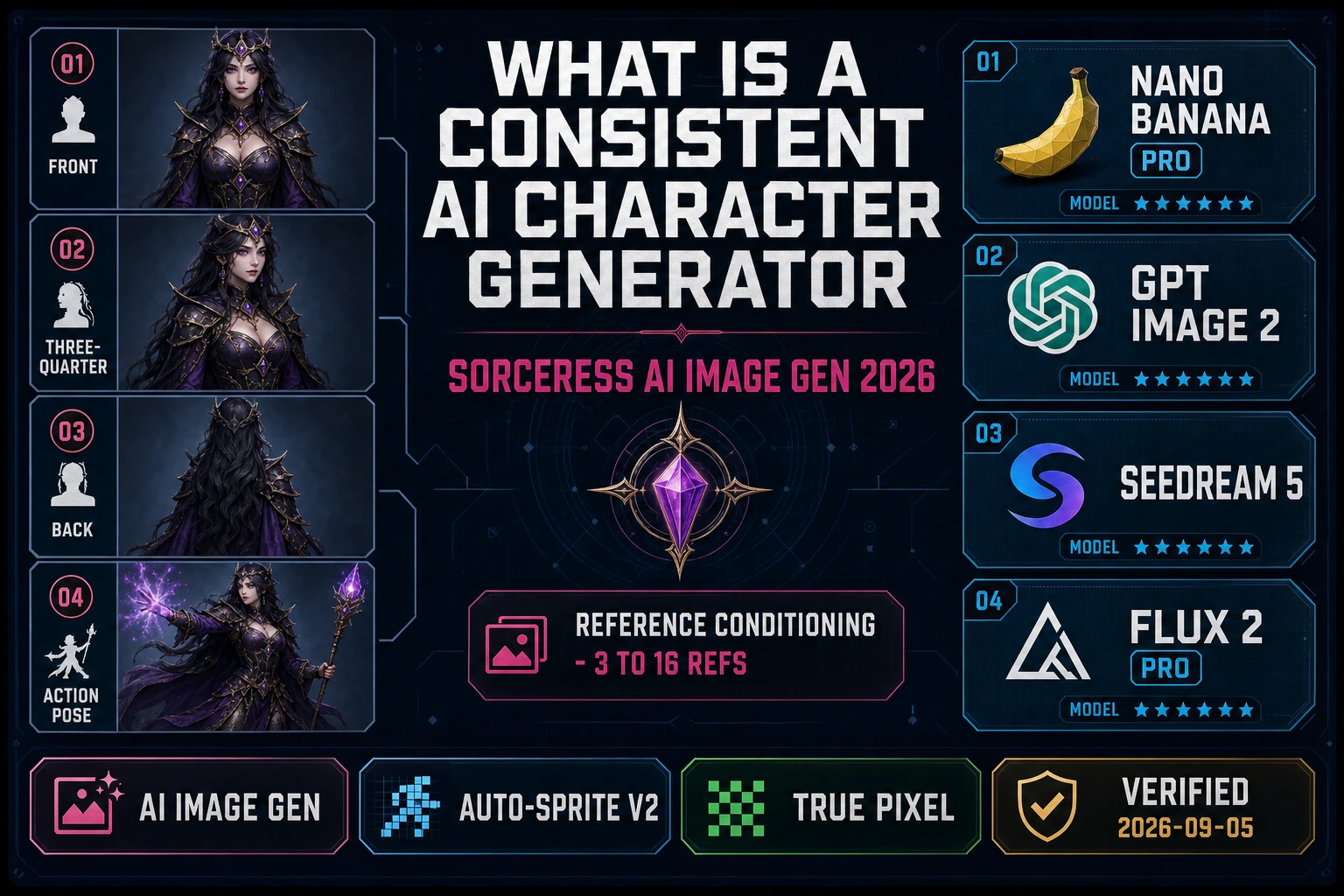
Type consistent character AI generator into Google in 2026 and every result is a variation on the same complaint: the character looked right in the first render, then drifted a half-inch in the second, changed hair color by the fourth, lost its scar by the sixth, and gained a whole new outfit by the tenth. The fix is not a magic prompt. An ai consistent character generator is a text-to-image workflow that conditions every generation on the same reference images of the character - face, wardrobe, palette, silhouette - so the model has no room to invent. Sorceress ships that workflow as a built-in feature of the AI Image Gen panel, verified 2026-09-05 against src/lib/models.ts: eleven image models on the panel today accept between 3 and 16 reference images per prompt, which is the mechanical primitive that makes character consistency possible in the first place.
What an ai consistent character generator actually is in 2026
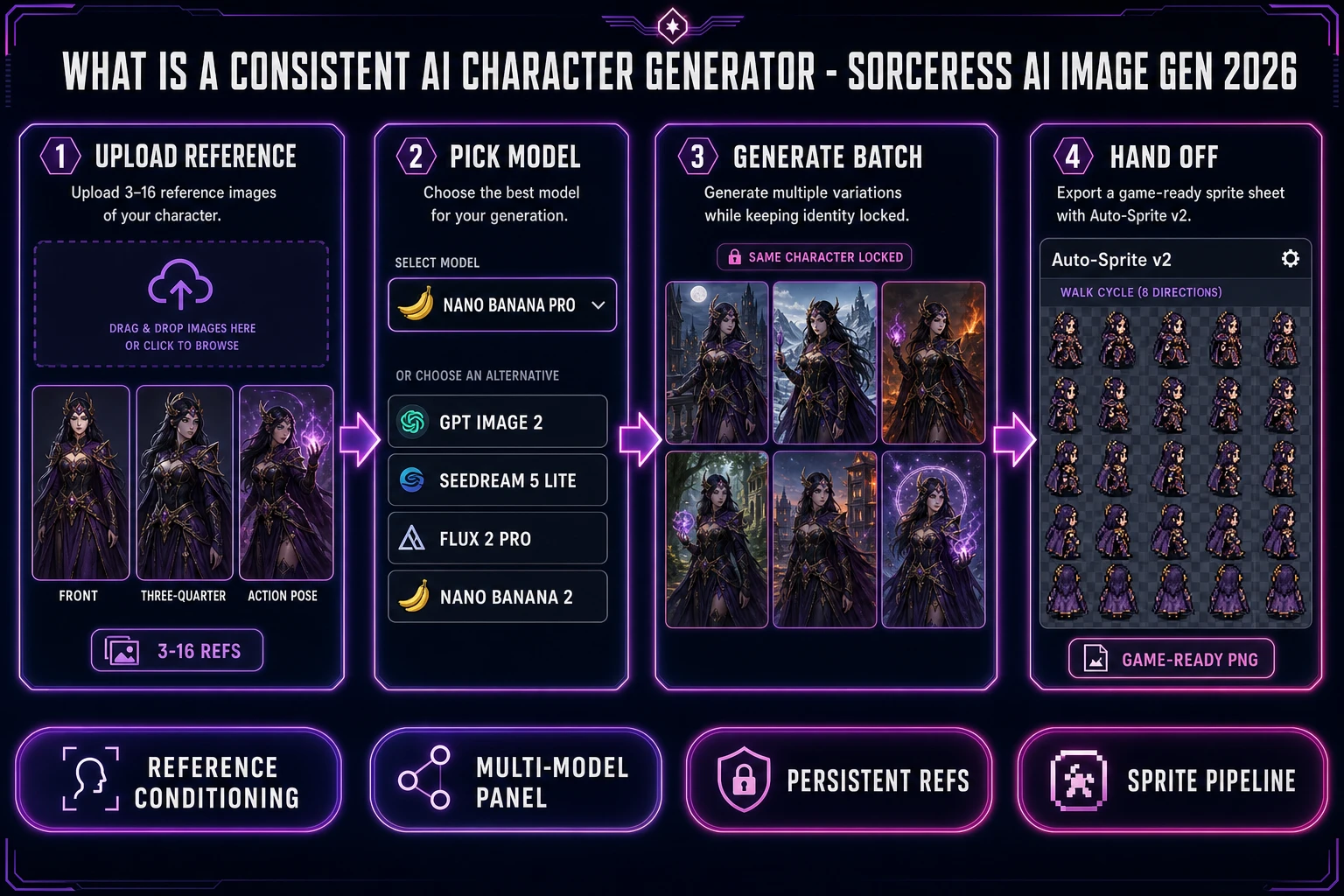
An ai consistent character generator is any image-generation surface that lets you fix a character's identity - face, hair, wardrobe, palette, silhouette - across many separate generations by conditioning each render on the same reference images. It is not a single model, and it is not a special prompt trick. It is a workflow: one reference set, one style spec, many generations, all with the same person in them. The output is a set of images a game or comic can actually use, because the character in image #1 is the same character in image #47.
The category matters because vanilla text-to-image models - the ones you type a prompt into and get an image out - are stochastic by design. Two prompts identical to the last comma produce two different images. That is the strength of a diffusion model when you want variety, and its weakness when you want a single hero character that shows up 40 times in a game with the same face. The "consistent" in ai consistent character generator is the direct response to that weakness: the same reference set, the same style keywords, the same model, batch after batch, until the character reads as a character and not as a mood board.
Why character consistency is the hard problem in generative image work
Consistency is the single hardest problem in generative image work, and the reason is baked into how the models work. A diffusion model does not remember the character it drew for you five minutes ago. It samples pure noise, then denoises it toward whatever the prompt describes, one step at a time. Two runs of the exact same prompt land on different points in the same neighborhood - close, but different. The face shifts. The eye color drifts. The armor's shoulder plates change shape. For a mood-board image that is a feature. For a game character or a comic panel it is a bug.
The failure modes are predictable. First, the model reads "young elf ranger with a green cloak" as a family of thousands of visually plausible young elf rangers - all with green cloaks, all clearly the same archetype, none of them the same person. Second, small prompt edits ("in a forest" vs "on a mountain") shift far more than the background - because a diffusion loop entangles subject and setting. Third, the model has no long-term memory across sessions, so tomorrow's ranger will not match today's ranger even if the prompt is copy-pasted. The prompt-engineering tricks that used to paper over these gaps in early 2024 (seed pinning, textual inversion, hyper-specific token stuffing) no longer scale past a handful of images.
Reference-image conditioning is the fix that actually holds. Instead of trusting words to describe the character, you upload the character. The model treats the reference image the way it treats the prompt - as a signal to steer denoising toward - and the resulting image inherits the face, the outfit, and the palette by construction. That is the shift that turned "consistent character AI" from a prompt-engineering war story into a production workflow.
How reference-image conditioning turns a text-to-image model into a consistent generator
The mechanism is straightforward once you see it. Instead of only reading a text prompt, the model reads a text prompt plus one or more images. Those reference images pass through the same encoder that would normally chew on training data, and the resulting embeddings get folded into the denoising loop as an extra conditioning signal. In practice: whatever the reference shows - a face at three-quarter angle, a specific hair color, a signature outfit - propagates into every generation you kick off while the reference is loaded.
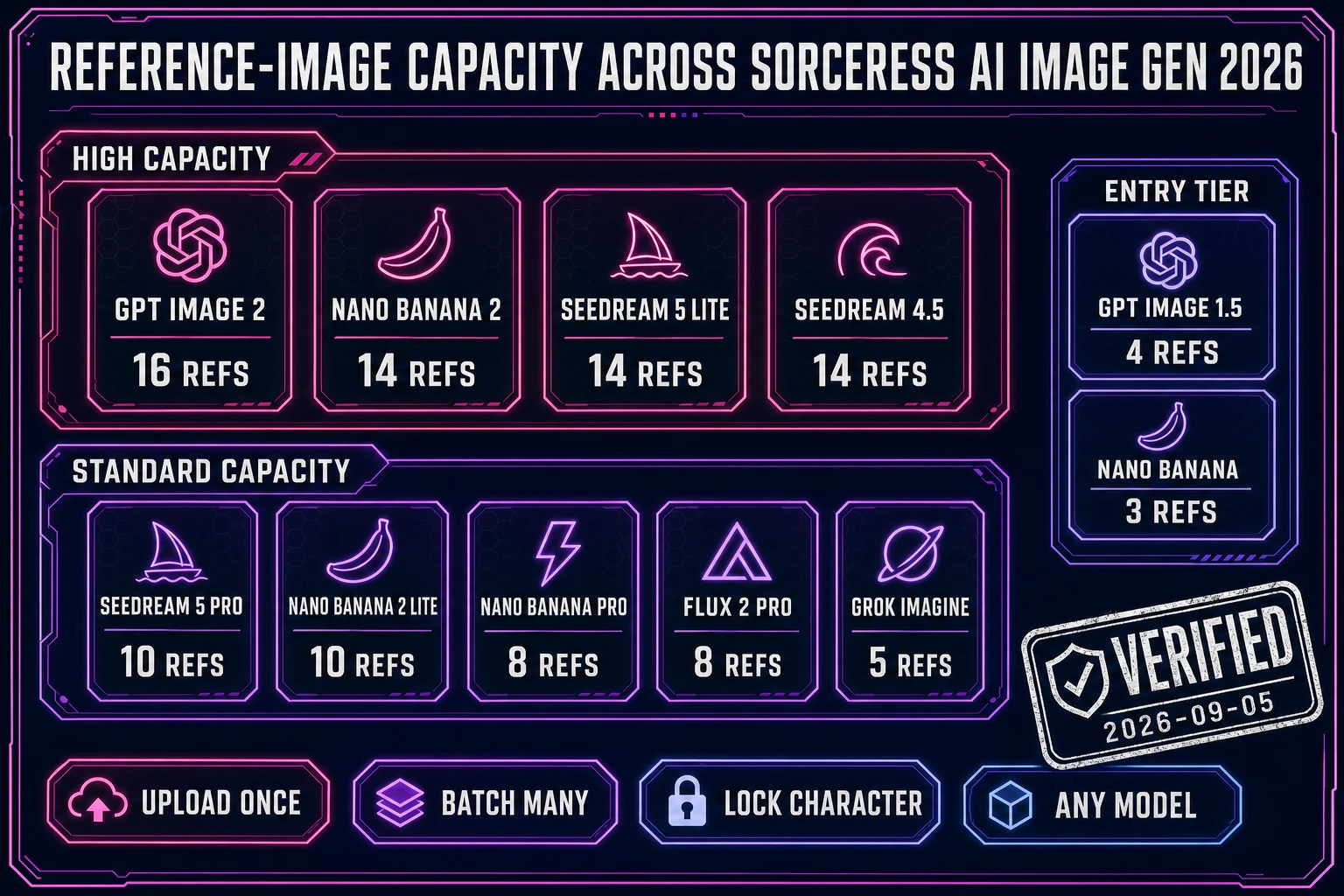
Different image models expose this capability at different scales. In the Sorceress AI Image Gen registry (verified 2026-09-05 in src/lib/models.ts), reference-image capacity ranges from 3 refs on the base Nano Banana row up to 16 refs on GPT Image 2. That range matters because character consistency scales with how many angles of the character the model can see at once. Three refs is enough for a locked face; ten or more starts to lock the wardrobe, the props, and the silhouette from every camera angle a game would ever need.
- GPT Image 2 - 16 reference images per prompt. The highest ref capacity on the panel today. Best for full character sheets where you want the model to see the character from front, back, three-quarter, and combat pose at once.
- Nano Banana 2 and Seedream 5 Lite - 14 reference images per prompt. Both are Sorceress Special picks with promo pricing, and both handle multi-angle character sheets cleanly.
- Seedream 5 Pro and Nano Banana 2 Lite - 10 reference images per prompt. The sweet spot for iterative character work where you want a locked face plus one or two outfit references.
- Nano Banana Pro - 8 reference images per prompt. The default studio-quality pick from Google's Gemini Image family (verified 2026-09-05 via deepmind.google/models/gemini-image: Nano Banana Pro is the "Gemini 3 Pro Image" model in the Nano Banana family).
- Flux 2 Pro - 8 reference images per prompt, with a small per-ref credit adder (+3 credits per ref) verified in the same source file.
- Grok Imagine - 5 reference images per prompt.
- GPT Image 1.5 - 4 reference images per prompt (the base version below the 16-ref GPT Image 2).
- Nano Banana (base) - 3 reference images per prompt (the entry-level Google row).
Eleven models with reference-image conditioning on a single browser panel is the practical definition of an ai consistent character generator in 2026. Any one of the eleven, driven with the same 3-16 reference images, will produce a coherent character across a batch. The interesting question is which model to reach for first, and that is a job for the panel's model picker, not a hard rule.
Sorceress AI Image Gen as a browser-native ai consistent character generator
Sorceress AI Image Gen is the Sorceress entry point for consistent character work, and it is designed around the reference-image workflow rather than the single-prompt workflow. The panel does three things a generic image-gen site does not, and each one matters if the goal is a shipped game character rather than a mood-board image.
- Every reference-image-capable model on one panel. No tab hopping. Nano Banana Pro, GPT Image 2, Seedream 5, Flux 2 Pro, Grok Imagine, and the rest all sit in the same picker, all accept the same uploaded reference set, and all bill through the same Sorceress credits meter. Swapping models to test which one holds the face best on a new character is one click, not a new account.
- Reference images persist across the batch. Upload a character once and the next twenty generations reuse the same refs unless you clear them. That is what turns "one consistent image" into "one consistent character across forty images", which is what a game actually needs.
- Downstream handoff to the game pipeline. Consistent character images are not the end of the workflow; they are the start. The panel is wired directly into Auto-Sprite v2 (character to animated sprite sheet), True Pixel (character to pixel-art sprite), and the 3D pipeline. That is the difference between a consistent-character output and a game-ready character asset.
The credit model is straightforward: each model has a base credit cost per generation (a few cents worth), and reference-heavy models like Flux 2 Pro add a small per-ref cost on top. Full pricing lives on /plans and updates in the app; the Lifetime Early Access tier covers a full weekend of consistent-character iteration without a separate provider bill because the Sorceress meter absorbs the passthrough.