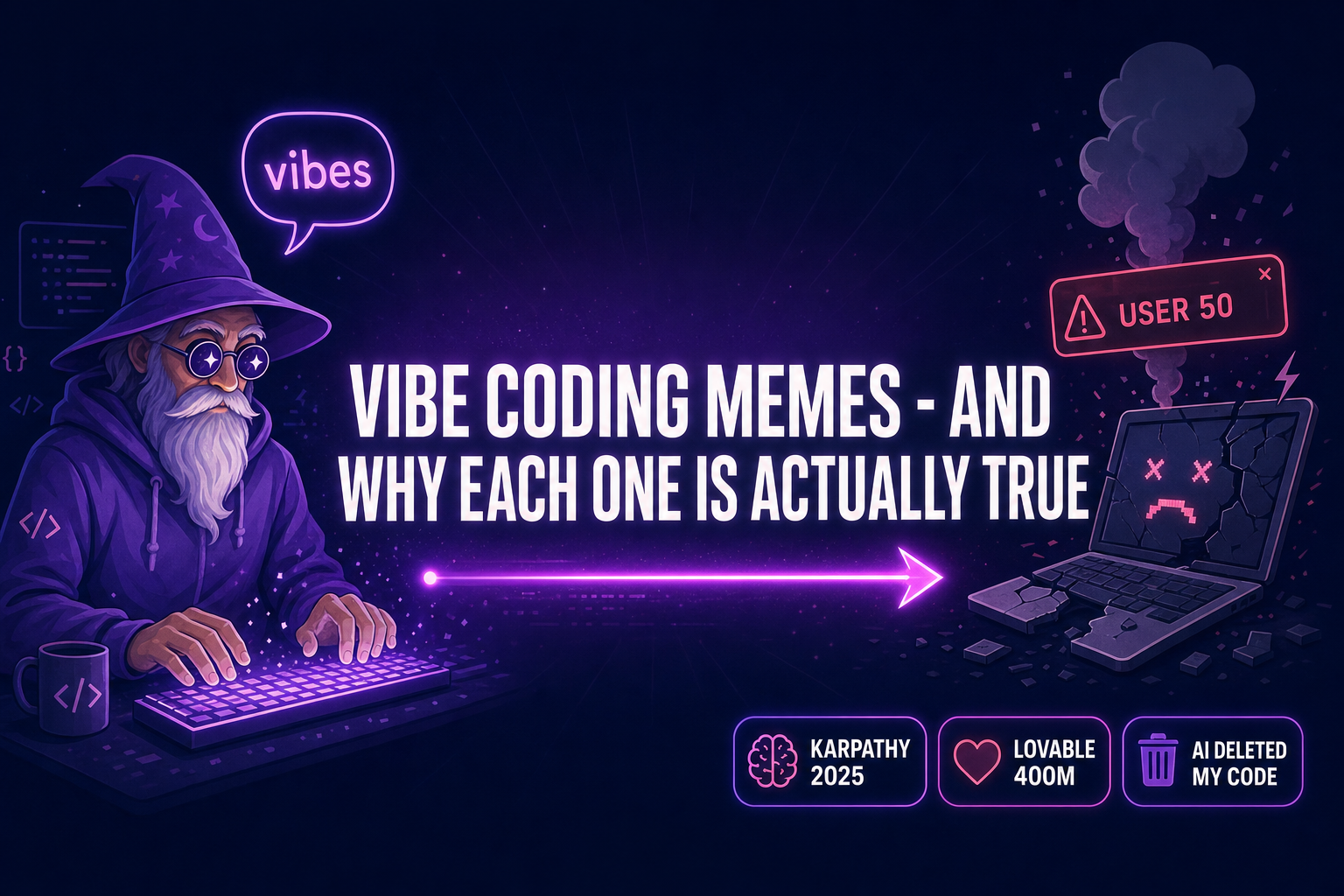
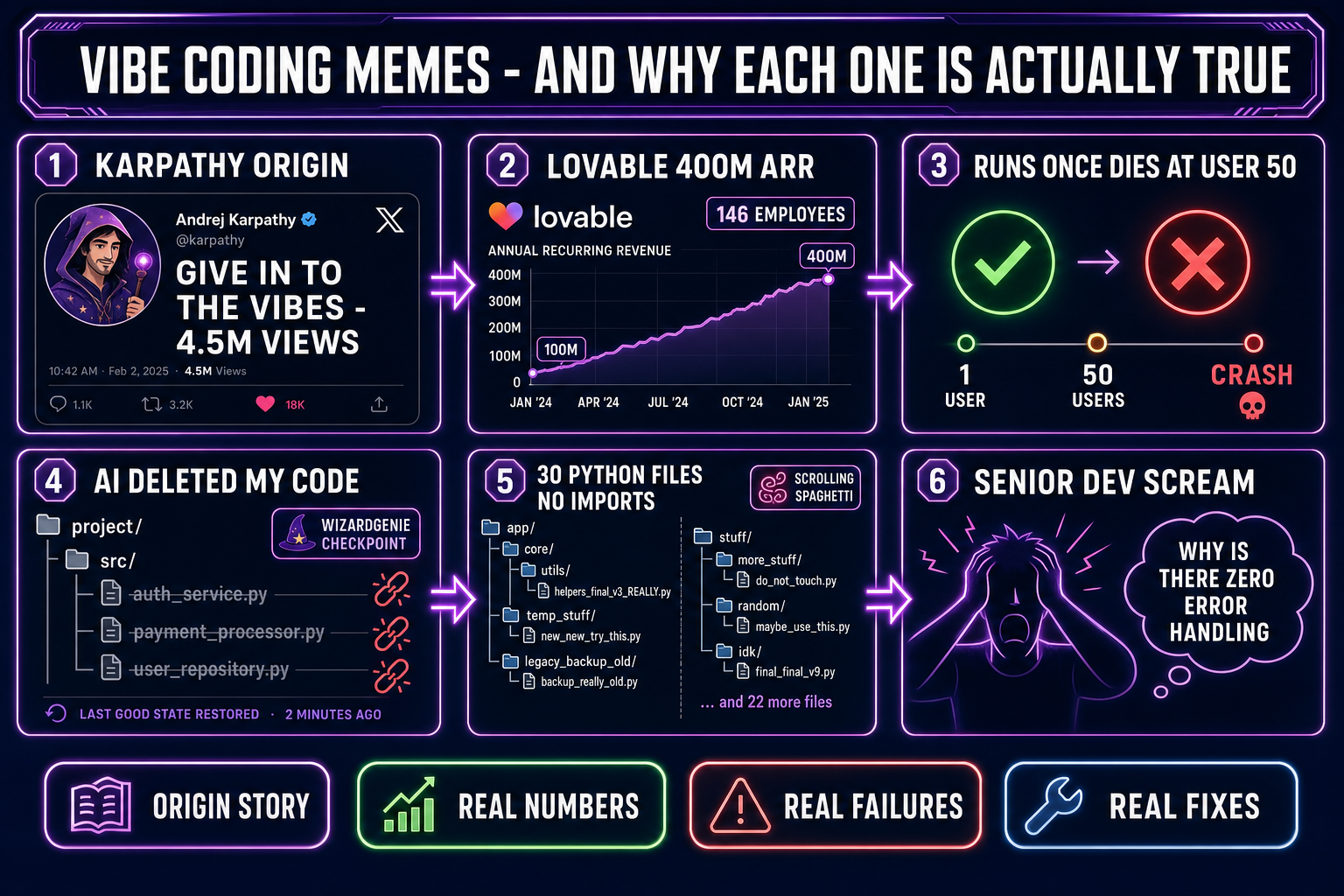
Every developer-internet meme of 2026 has run through some variant of vibe coding — Andrej Karpathy slumped at a desk telling Cursor what to do, Lovable’s revenue chart doing a hockey stick, the screenshot of a 30-file Python repo where none of the imports resolve, the broken-laptop emoji captioned "the AI deleted my code." The reason these memes spread is that the people sharing them recognise themselves in the joke. They are also, in 2026, mostly true. This piece walks through the seven biggest vibe coding meme threads, traces each one back to the actual event that started it, and pulls out the discipline that separates the people who only ever post the meme from the ones who use the same loop to ship finished games. Verified May 11, 2026.
The Karpathy origin meme — and why this vibe coding meme stuck
Every later vibe coding meme is a remix of one tweet. On February 2, 2025, Andrej Karpathy posted, in his trademark plain Bay Area English, "There’s a new kind of coding I call vibe coding, where you fully give in to the vibes, embrace exponentials, and forget that the code even exists." The post pulled over 4.5 million views on X, was cited in MIT Technology Review within ten weeks, became the slang & trending entry at Merriam-Webster in March 2025, and won Collins English Dictionary’s Word of the Year for 2025 — a chain of cultural validation that almost no other developer term has ever assembled.
The reason it stuck is not that the term was witty. It is that, by early 2025, a large fraction of working developers were already coding this way and nobody had a label for it. The label gave a shared name to a behaviour that had been quietly happening across editor sessions worldwide: see stuff, say stuff, run stuff, copy-paste stuff, mostly works. The Karpathy follow-up is the part the meme leaves out — he himself has been openly critical of where the loop fails, calling AI-generated code "bloaty," its abstractions "awkward" and "brittle," and the result, without taste, "just really gross." That nuance got lost in the meme. The point that survived: when the loop works, it works at a velocity that nothing pre-2025 ever matched.
For game developers the punchline of this first meme is concrete: the same prompt-driven loop that vibe-codes a SaaS dashboard also vibe-codes a platformer, an RPG opening, or a roguelike floor generator. Read the full vibe-coding explainer for the long version of this argument. The shorter version: it works for games faster than for SaaS, because games show their bugs the second the player jumps.
The Lovable $400M ARR vibe coding meme — the numbers are real
The second-most-shared vibe coding meme of 2026 is the screenshot of TechCrunch’s headline from March 11: "Lovable says it added $100M in revenue last month alone, with just 146 employees." The implied joke is that one Stockholm office, with fewer engineers than your last enterprise stand-up call, is somehow eating an entire category. The non-joke is that the math checks out.
The Lovable ARR trail, all from public reporting in the last twelve months: $100M in July 2025, $200M in November 2025, $300M in January 2026, $400M crossed in February 2026 — with $100M added in that single month. Eight million users. More than half the Fortune 500 on the customer roster. Around 200,000 new vibe coding projects created per day on a platform whose entire on-ramp is a chat box that says "what do you want to build?" The compressed meme version — "one founder, one prompt, $400M" — is unfair to a 146-person team but accurately describes the trajectory.
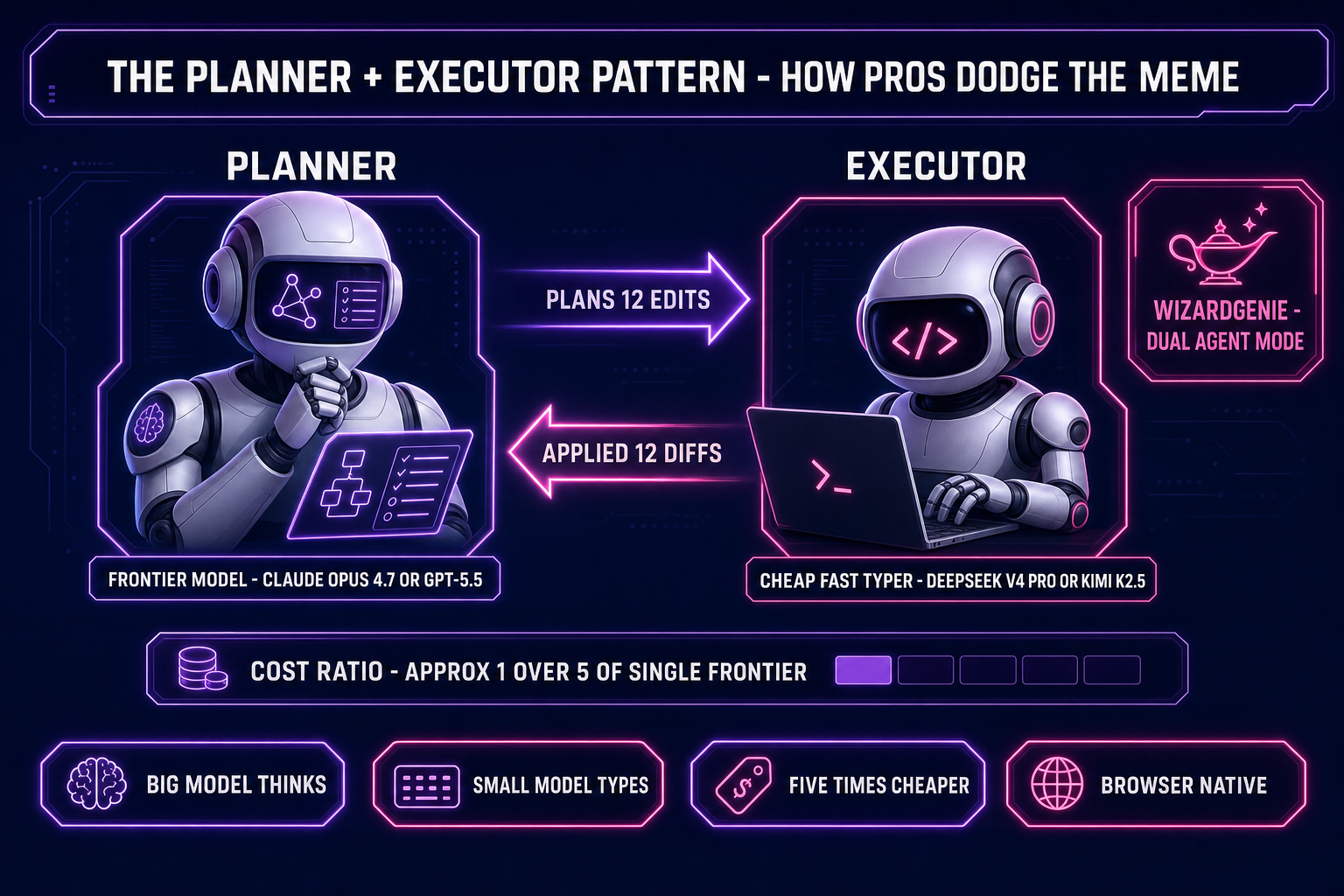
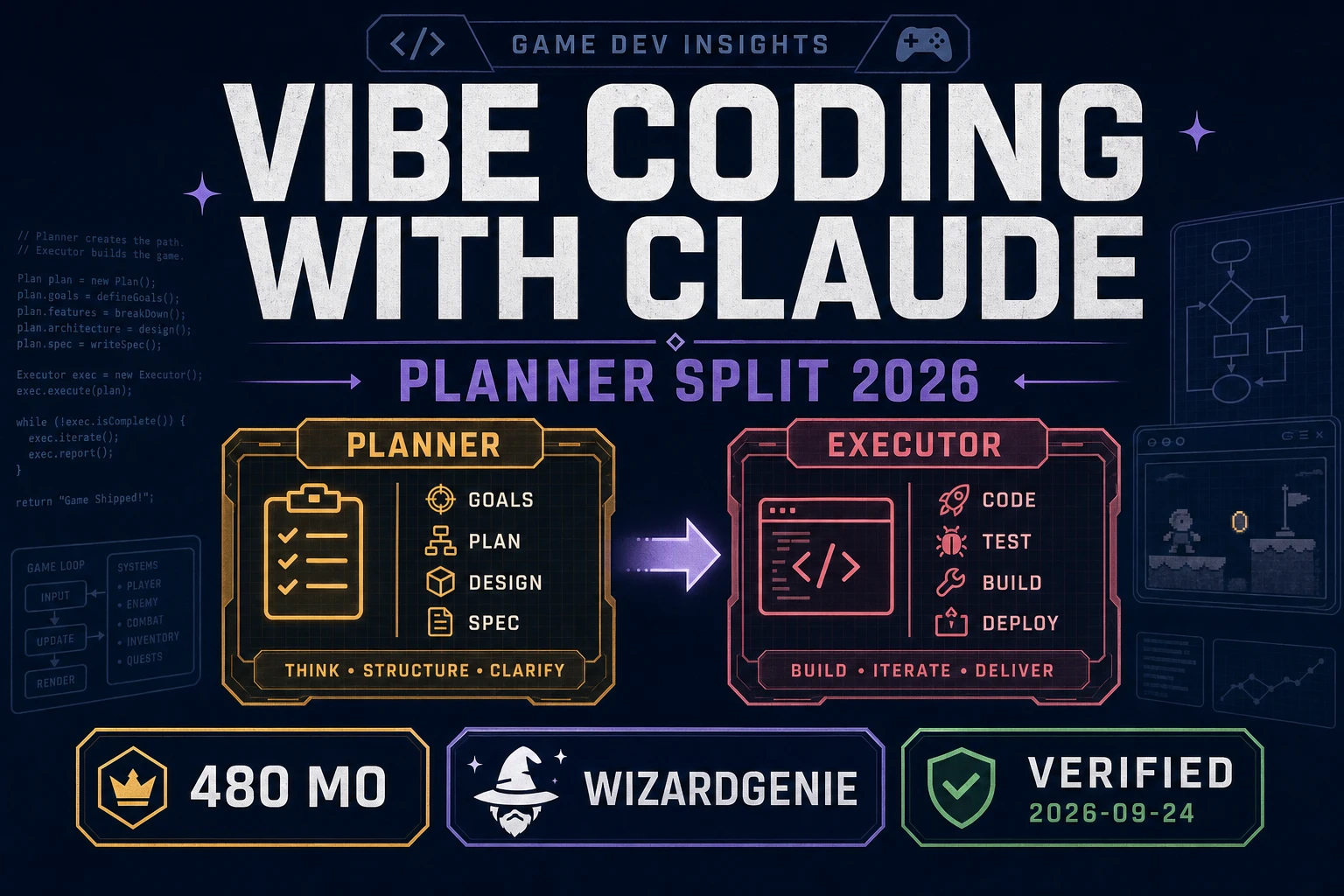
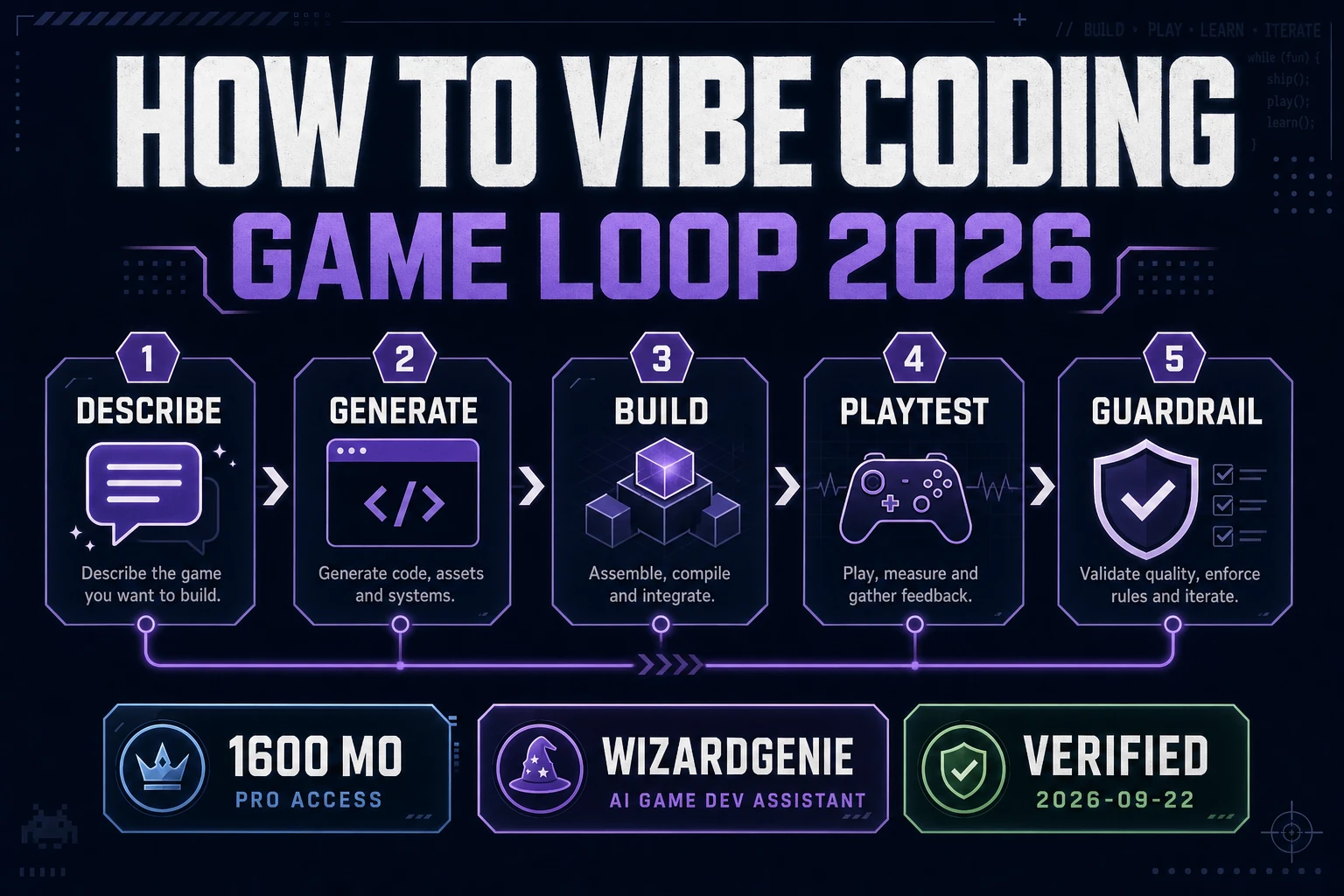
The reason this meme matters for game devs is that the prompt-to-app loop the meme is dunking on is exactly the prompt-to-game loop that drives WizardGenie, Sorceress’s AI-native game engine. WizardGenie is the games-first version of the same idea: describe the game you want, the engine writes it, runs it, iterates on it, all inside a browser tab. Lovable made $400M proving this loop works for SaaS in two years. The corresponding question for game studios — independent or otherwise — is no longer "can a prompt-driven loop ship serious software" but "what is the games-first version of that loop." That is the question WizardGenie was built to answer.
The runs-once-dies-at-user-50 vibe coding meme
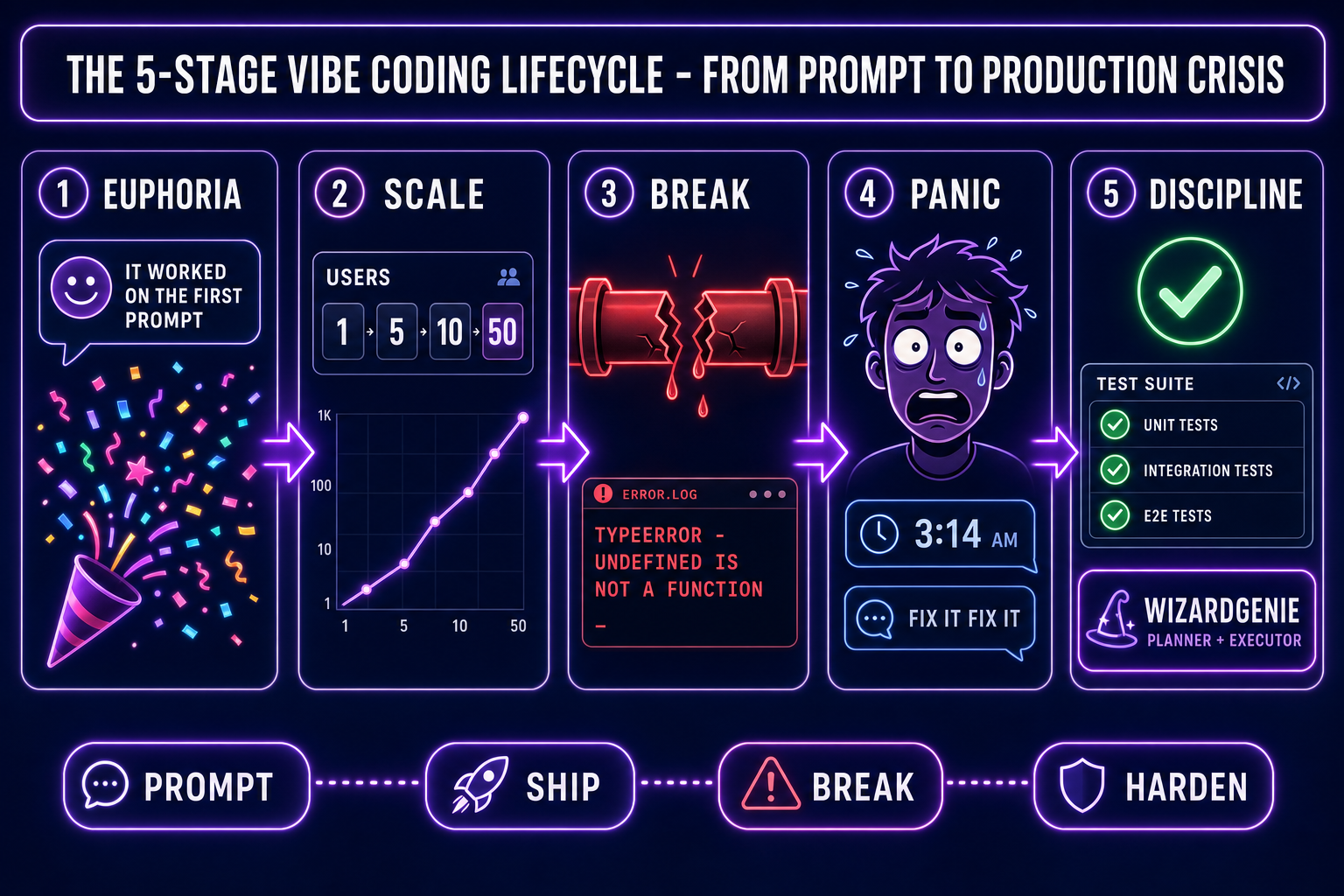
The third meme is the one that hurts the most because it is the one most working developers have personally lived. The format is consistent: a screenshot of a chat agent triumphantly declaring "It works!", followed by a second screenshot of an error stack two days later when the user count crosses some round number, captioned "vibe coded apps at user 50." The number changes — 10, 50, 100, 500 — but the wall is real.
The structural reason this meme is true is that diffusion-trained code models are pattern matchers on the average of public-internet code, not architecture students. They produce code that compiles, passes the happy path, and looks idiomatic. They routinely skip the unhappy paths the average tutorial also skips: input validation on the second user, race conditions on the second tab, cache invalidation on the second deploy, retry logic on the third API failure. The famous user-50 wall is what happens when those skipped unhappy paths all hit the production environment at once.
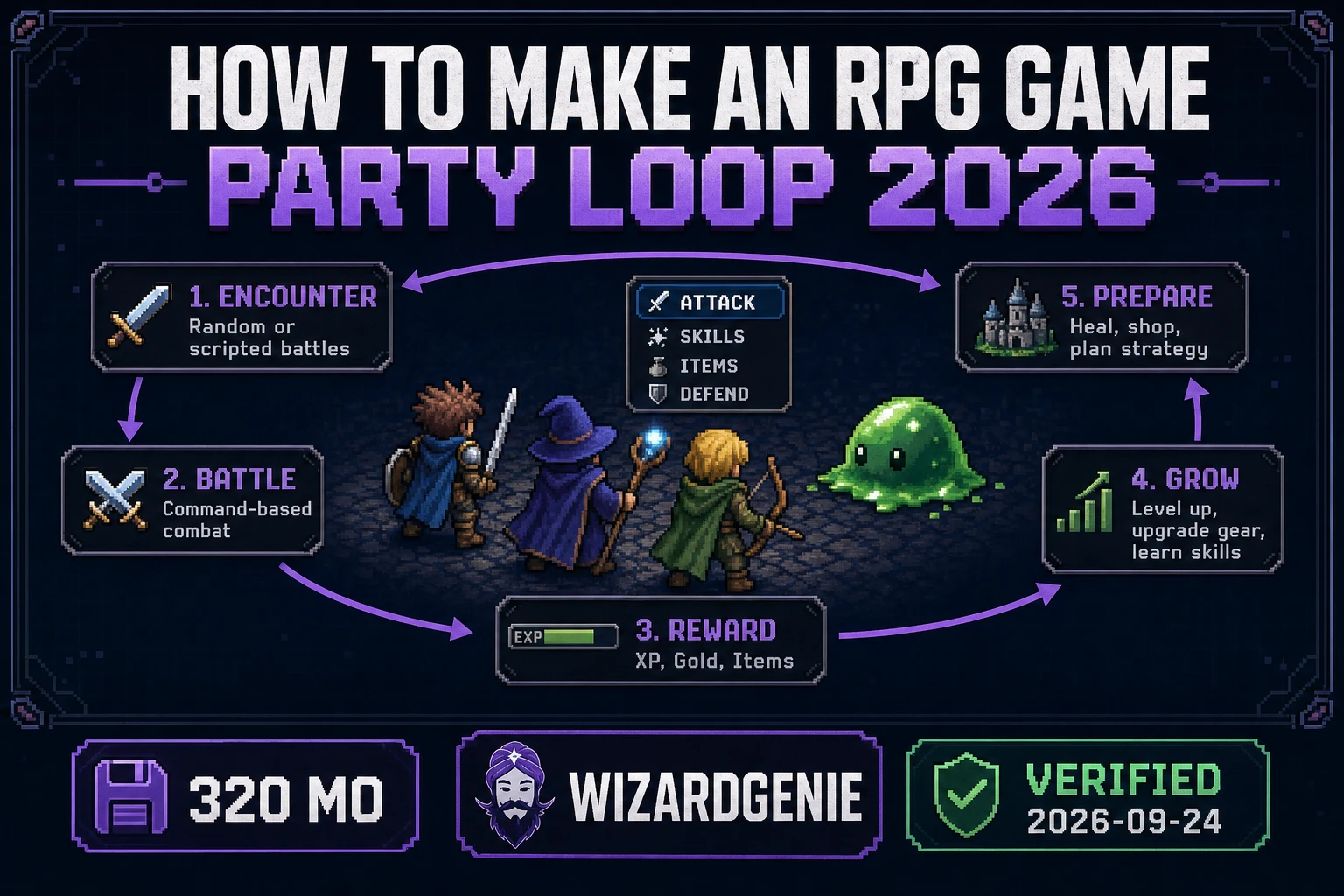
For a vibe-coded game, the analogous wall is the second-level wall. The prototype runs perfectly on level one, then crashes the second time you trigger the same enemy spawner because the spawner code accumulated state nobody asked it to, or the asset cache was never invalidated when the level reloaded, or the input handler keeps a reference to the dead level’s entity. The meme is identical; the surface is just different.
The fix is the same fix engineers have always used, applied to AI-generated code rather than hand-typed: write the failing test before you accept the diff, harden the unhappy path before you ship the happy path, and make the agent run the test on every change. Sorceress Code does this by default — see /code. WizardGenie does it by hot-reloading the game on every diff and surfacing the runtime error immediately. The discipline is enforced by the tool, which is the only way the meme stops being your story too.