World AI Worldbuilding (Lore Bible Pipeline 2026)

By DevDude8 min read
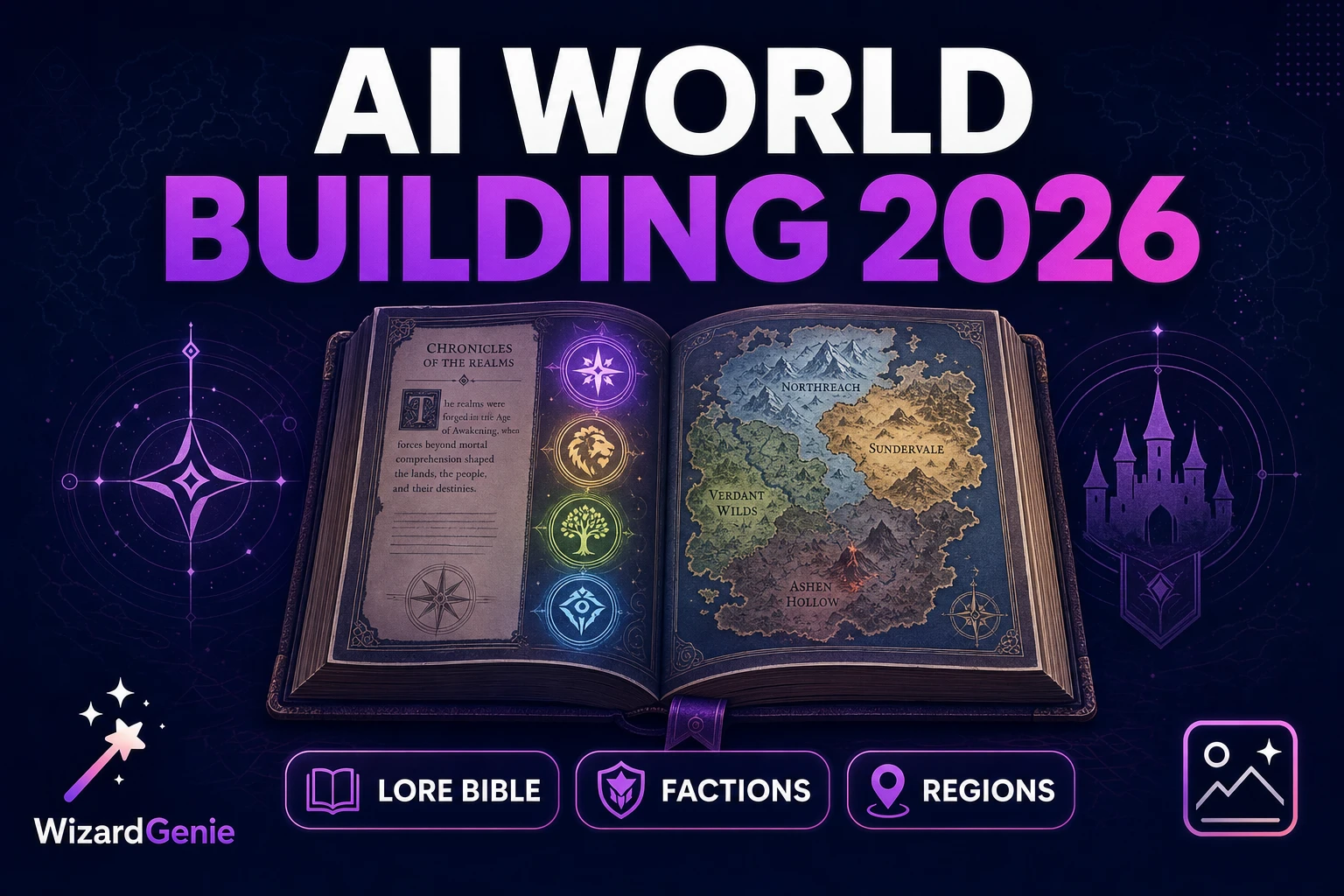
AI worldbuilding in 2026 is a four-step lore bible pipeline: WizardGenie locks setting rules and faction primers as JSON, you batch region art in AI Image Gen,

Search ai worldbuilding on July 14, 2026 and the SERP fills with chatbot dumps: a thousand years of invented kings, no faction sheet you can hand an artist, and zero structure a role-playing game systems designer can load. Indies do not need another wall of prose — they need a lore bible that stays consistent when art, dialogue, and quests diverge. This guide answers that. The 2026 answer is a four-layer browser pipeline: WizardGenie locks setting rules and faction primers as JSON, AI Image Gen paints keyed region plates, you attach name and quest hooks so the pack survives playtest, and you refuse to expand continents until the core conflict reads mute. Every tool cost and model name below is verified against the live Sorceress source on July 14, 2026.
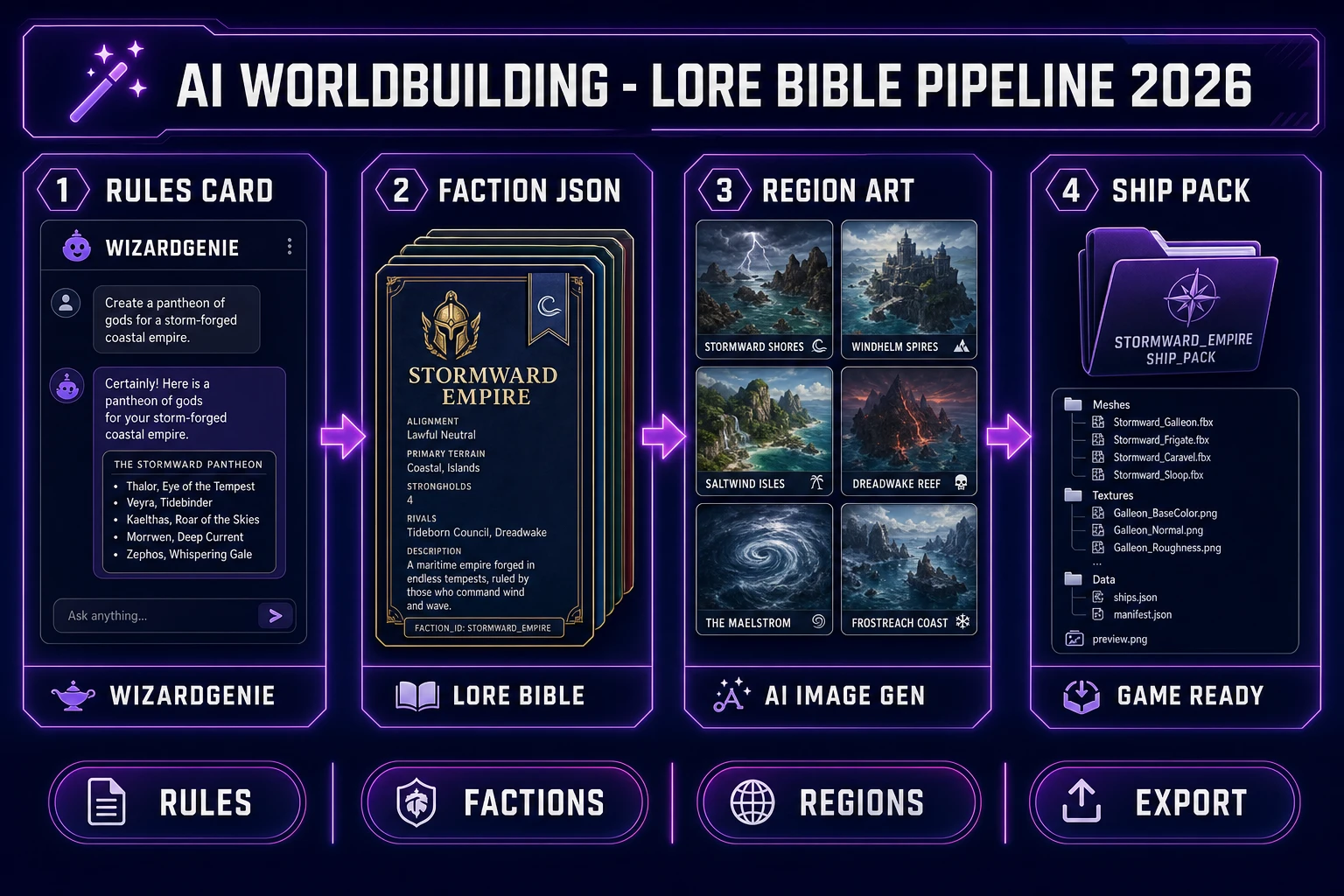
AI worldbuilding in 2026 — four-step lore bible pipeline from WizardGenie rules and faction JSON through AI Image Gen region plates to a shippable campaign pack, verified July 14, 2026
AI worldbuilding in 2026 means four moves in one tab: lock rules in WizardGenie, export faction primers, batch region plates in AI Image Gen, then ship one keyed pack artists and writers both obey.

What ai worldbuilding outputs for indie lore bibles

The phrase ai worldbuilding (170/mo, KD 0 per DataForSEO probe-fresh-seeds-3.md, verified July 14, 2026) targets solo RPG authors, jam narrative leads, and tabletop GMs who want a coherent setting faster than a weekend wiki binge. Sibling queries confirm the cluster: worldbuilding ai (110/mo, KD 0), best ai for worldbuilding (90/mo, KD 0), plus production phrases like lore bible and faction primer pack. Wikipedia defines worldbuilding as constructing an imaginary world with coherent history, geography, culture, and ecology — sometimes spanning a full fictional universe. Game teams turn that craft into a story bible so every department cites the same facts (Game Developer on basic story bibles).

Production output is structured. Ship a rules card (what magic or tech can and cannot do), three to five faction primers (goal, resource, taboo, visual motif), a short timeline of five tentpole events, a region list with one sentence each, and a hook deck of quest sparks that obey those rules. Chat essays fail because they cannot be grepped, versioned, or keyed to art filenames. A lore bible that lives as JSON beside PNGs is the deliverable searchers actually need when they type ai worldbuilding.

Why chat-only world dumps stall playable campaigns

A raw novel dump feels productive because the scrollbar moves. It stalls production because artists cannot extract a palette from a paragraph about “ashen skies over the third empire,” writers invent conflicting tax lore mid-quest, and designers ship systems that break the magic rule you wrote then forgot. Classic failure modes: infinite continents before one playable region, five pantheons with zero player-facing consequence, and name salad that never ties to a faction sheet.

Map-first workflows have the opposite trap — pretty atlases with no conflict engine. Pair atlas art later with the AI fantasy map generator sibling once factions exist. Name-first workflows belong in the fantasy name generator post. Session-runner workflows live in the AI dungeon master guide. AI worldbuilding is the upstream pack those posts consume: rules, factions, regions, hooks — reusable across browser RPGs, visual novels, and tabletop one-shots.
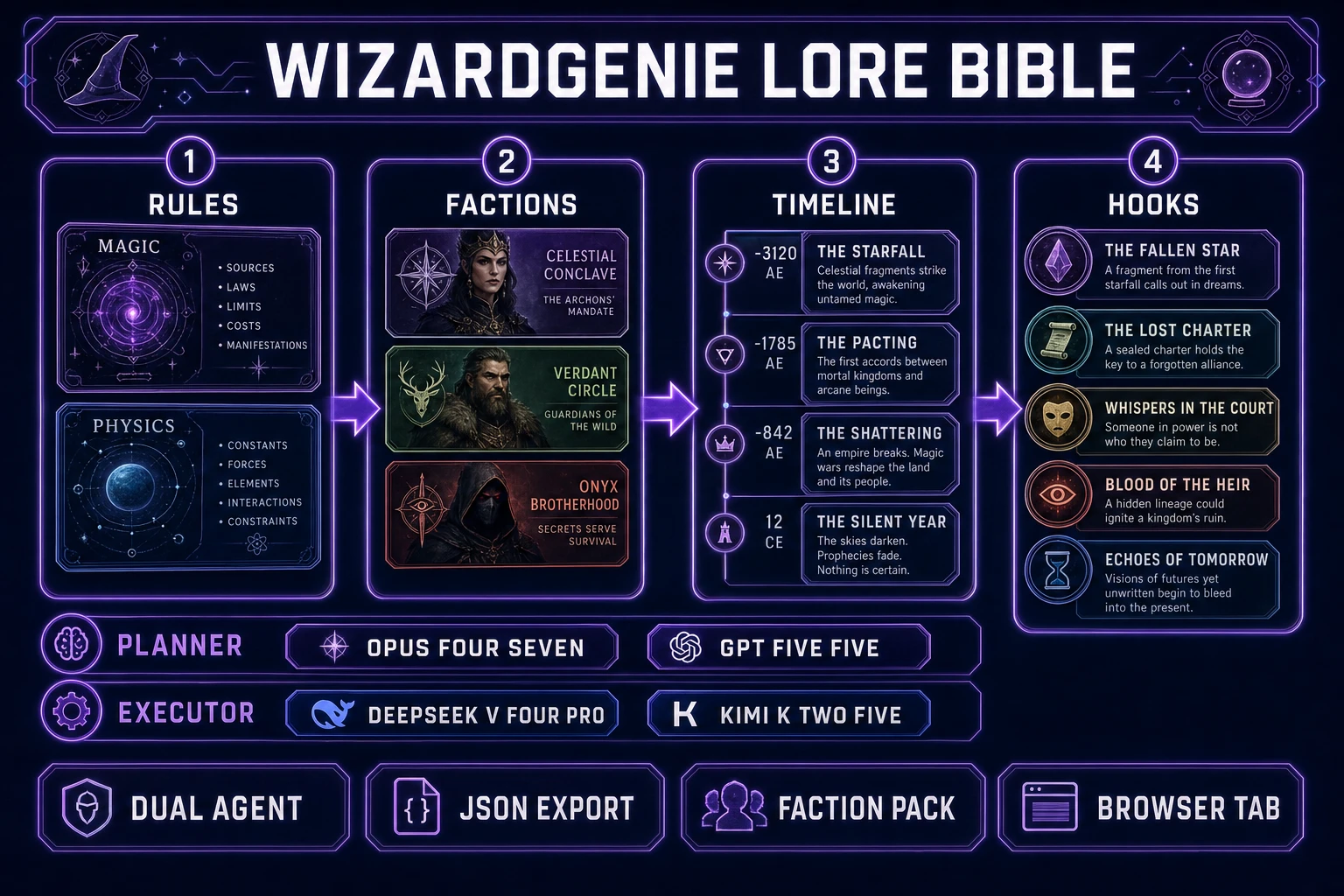
WizardGenie dual-agent Planner and Executor diagram scaffolding an ai worldbuilding lore bible with rules cards, faction primers, timeline nodes, and quest hooks, verified July 14, 2026
WizardGenie’s Planner + Executor pattern writes the lore bible: Opus 4.7 or GPT-5.5 plans faction conflict math; DeepSeek V4 Pro or Kimi K2.5 types the JSON pack — roughly one-fifth the cost of a single frontier model on both sides.

The Sorceress ai worldbuilding pipeline in four steps

Every shippable lore bible needs four layers: rules + faction text, structured export, region art, and hook wiring. In 2026 each layer maps to one Sorceress surface verified against the live catalog on July 14, 2026:

  • Rules, factions, timeline, hooksWizardGenie with eight CODING_MODELS (Claude Opus 4.7, Claude Sonnet 4.6, GPT-5.5, Gemini 3.1 Pro, DeepSeek V4 Pro, Kimi K2.5, Grok 4.2, MiniMax M2.7 per src/app/_home-v2/_data/tools.ts lines 734–742).
  • Region plates and motif framesAI Image Gen across the image model lineup in src/lib/models.ts (Z-Image at 3 credits for fast exploration).
  • Optional NPC VO and ambienceSpeech Gen for faction manifesto reads; SFX Gen for regional beds later — not required for the first bible pass.
  • Playable handoff — Phaser 4.2.0 UI, dialogue trees, or tabletop session cards that load the same JSON keys. Phaser 4.2.0 “Giedi” shipped June 19, 2026 (verified against phaser.io on July 14, 2026).

Pricing is a $49 lifetime unlock plus pay-as-you-go credit packs — Starter $10/1,000 credits, Creator $20/2,000, Plus $50/5,000, Studio $100/10,000 — verified against src/app/plans/page.tsx lines 46 and 50–54. New accounts ship with 100 starter credits. The Sorceress tools guide lists every pairing; plans shows live tiers.
Step 1 — lock a lore bible rules card in WizardGenie

Open WizardGenie (desktop or web) and refuse to brainstorm cities first. Paste a rules card: “Hard magic, three sources only, every spell burns a named resource, no resurrect, tech stops at clockwork, conflict is scarce water plus rival faiths, player-facing scope is one coastal province for the first build.” Prefer Claude Opus 4.7 or Gemini 3.1 Pro for the architecture pass — contradiction hunting benefits from the heavy reasoner. Switch to DeepSeek V4 Pro or Kimi K2.5 for JSON iteration — acceptable executors per Sorceress guidance; never park a frontier-priced model on the typing side.

Ask for a machine-readable bible, not a novella:

{
  "setting_id": "ash_coast_v1",
  "rules": ["three_magic_sources", "no_resurrect", "water_scarce"],
  "factions": [
    {
      "id": "salt_choir",
      "goal": "control_desalinators",
      "resource": "fresh_water_tokens",
      "taboo": "never_open_the_deep_vaults",
      "motif": "white_linen_plus_brass"
    }
  ],
  "regions": [{ "id": "tide_wall", "one_liner": "fortress_harbor_on_cracked_reef" }],
  "timeline": [{ "year": -40, "event": "first_desalinator_war" }],
  "hooks": [{ "id": "stolen_pump", "faction": "salt_choir", "stakes": "province_thirst" }]
}

Second-round prompts stress-test: “List three ways a player could break rule no_resurrect; rewrite factions so those exploits are illegal inside the fiction.” That pass is where ai worldbuilding earns its keep — chat dumps rarely self-audit.

Step 2 — expand faction primers and a hook deck

Keep factions to three to five. More than five before a playable region usually means you are collecting cool names instead of opposing goals. Each primer needs goal, resource, taboo, and a visual motif short enough for an art brief. Hook cards must name a faction id and a stake players feel in one session — stolen pump, broken treaty, caravan route collapsed — not ancient prophecies that never hit the table.

Cross-link production: when you need NPC faces later, batch portraits through the DnD NPC generator workflow with motif keywords copied from the bible. When you need branching quest text, hand the same faction ids to the AI dungeon story generator so room beats obey the taboo list. Worldbuilding that cannot feed those siblings is fanfic, not a pipeline.

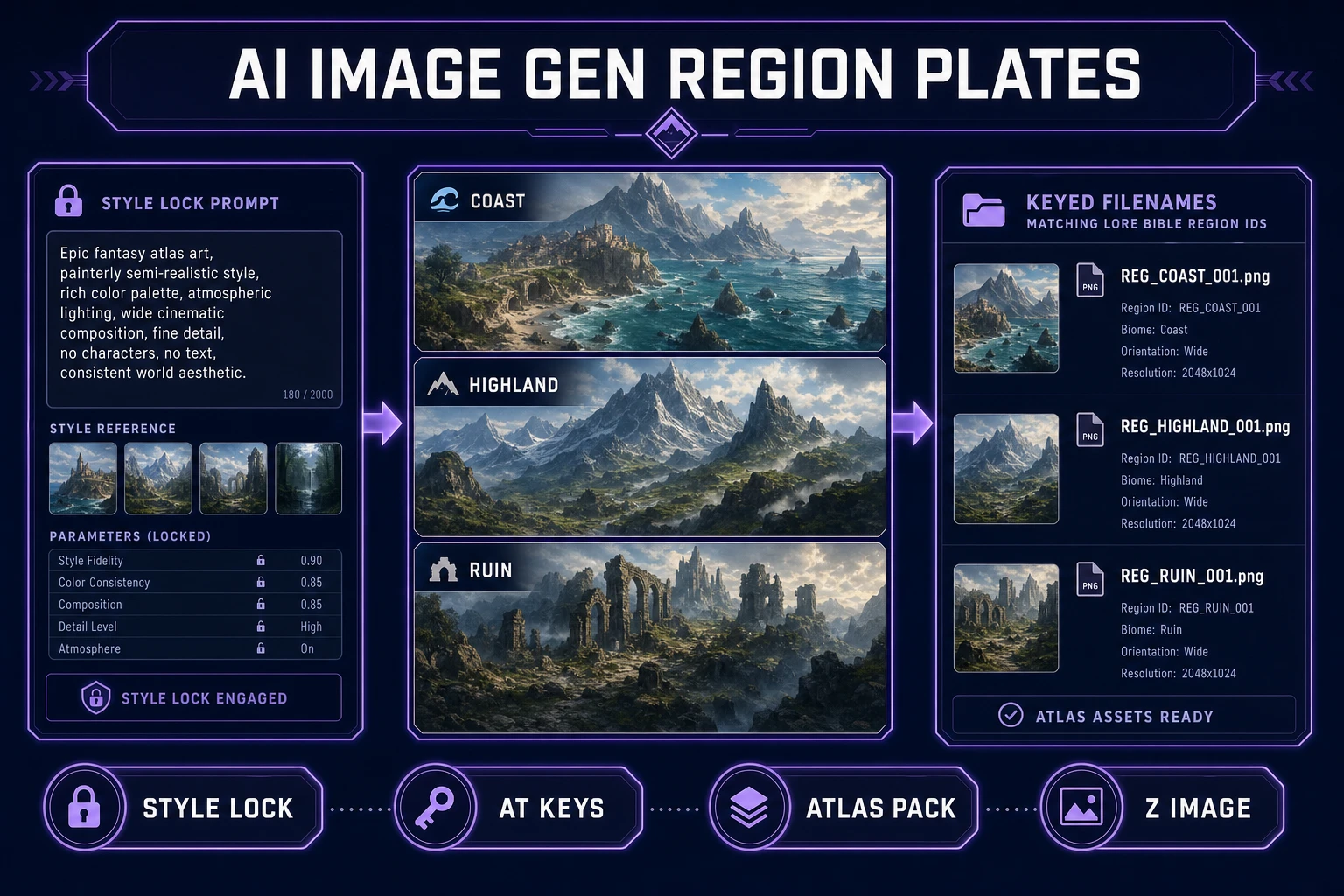
AI Image Gen region plate pipeline for ai worldbuilding with style-locked prompts and filenames keyed to lore bible region ids, verified July 14, 2026
AI Image Gen fills the atlas contract: one style lock shared across plates, filenames matching lore bible region ids, and motif colors stolen from faction primers so art and text stay synchronized.

Step 3 — paint keyed region plates in AI Image Gen

Gray boxes kill immersion; unmatched styles kill trust. Batch three to six plates in AI Image Gen with a locked style anchor copied from the bible: “painterly digital concept, coastal fortress on cracked reef, white linen banners, brass pumps, overcast light, no readable modern logos, landscape 16:9” for tide_wall, then swap only the region one-liner for inland highland and salt flats. Keep the palette tight — brass, linen white, cold ocean teal — so regions read as one province, not a collage from three games.

Name files by id: tide_wall.webp, salt_flats.webp. Drop those keys into the bible’s regions array. Z-Image at 3 credits is enough for first-pass exploration; upgrade a hero key later if store pages need polish. If a model invents a sixth magic aesthetic that breaks your rules card, re-prompt with the forbidden list explicitly — “no glowing runes, no floating islands” — rather than accepting pretty rules violations. Optional landscape mood boards can borrow techniques from the AI landscape generator post once the bible’s regions are final.

Step 4 — wire names, quest hooks, and mute playtests

Before expanding the map, force a mute table read: show faction primers and one region plate to a friend with audio off and ask “who wants what, and what breaks if they win?” If they cannot answer in thirty seconds, the primer is too literary. Tighten goals. Then generate a short name list that matches motifs — use the fantasy name generator sibling for roster labels, not a separate lore dialect that never appears in the bible.

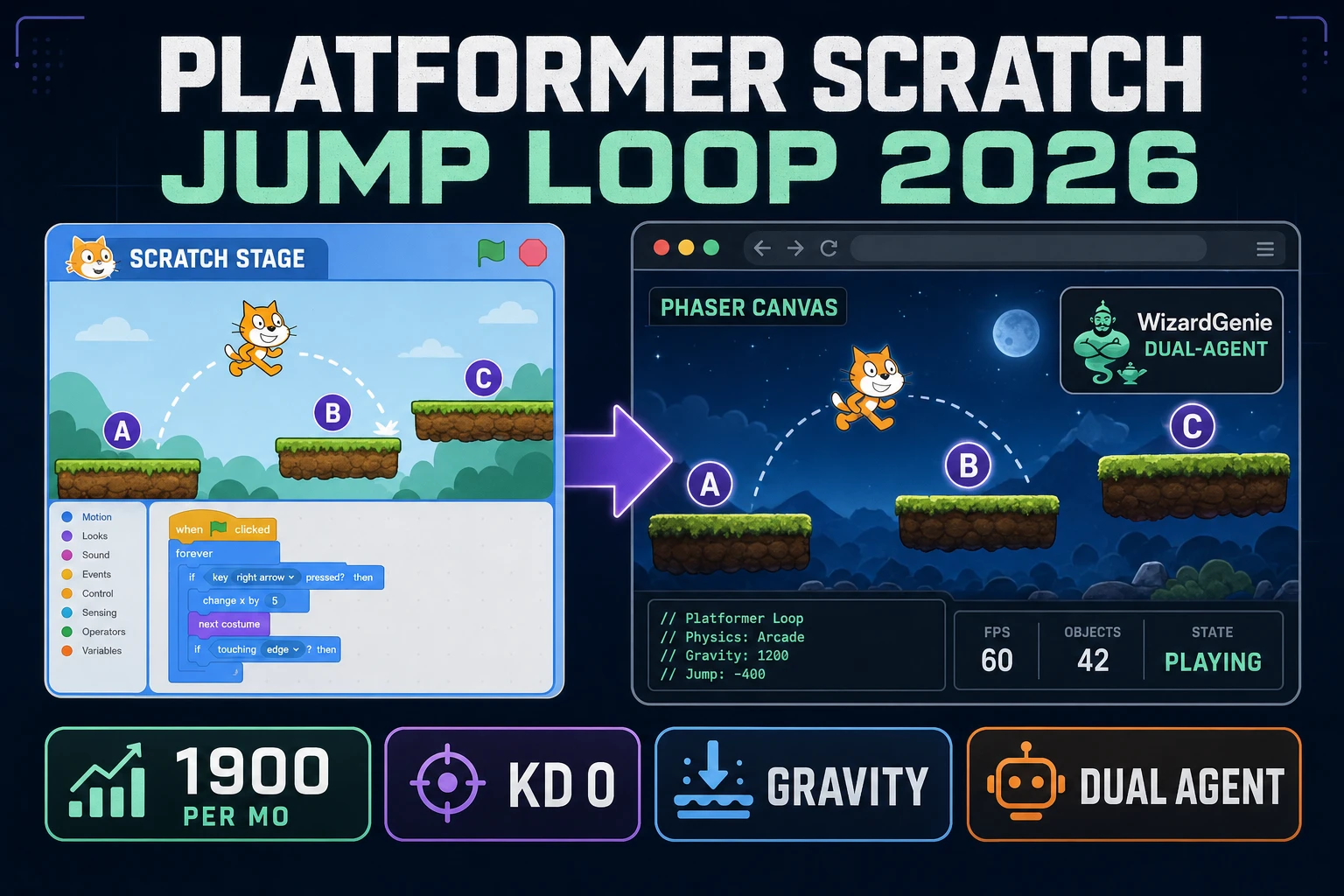
For browser handoff, ask WizardGenie to scaffold a Phaser 4.2.0 “codex” scene that loads the JSON and flips region art when the player taps a province. That scene is QA gear, not the commercial game: it proves keys resolve and hooks display. Tabletop GMs can print the same faction cards for Session Zero. Keep iteration in the bible file; never fork “secret true lore” into a private notes app artists cannot see.

What an ai worldbuilding session costs on Sorceress in 2026

Cost math verified July 14, 2026. Base unlock: $49 lifetime. WizardGenie coding: your own API key. Typical first bible: roughly 12–40 Sorceress credits ($0.12–$0.40 at Starter tier rates) covering a small AI Image Gen region pack — six Z-Image plates at 3 credits each is 18 credits before variations. Compare that to commissioning a concept artist for a full bible before you know which factions survive playtest — the ai worldbuilding SERP reader is usually optimizing for consistent reuse, not coffee-table atlas fidelity.

Spend order matters. Lock rules and opposing goals as text first, mute-test the conflict engine, then buy art only for regions the hooks actually visit. The 100 starter credits cover a cautious first art pass if you keep generations style-locked instead of model-shopping every render. Optional Speech Gen manifesto VO can wait until Session Zero proves which faction voice players care about.

The verdict on ai worldbuilding with a browser lore bible

AI worldbuilding in 2026 is no longer “ask a chatbot for ten thousand years of lore and hope production sticks.” The four layers — rules card, faction primers plus hooks, keyed region plates, mute playtest — each have a Sorceress handoff reachable without a private wiki nobody updates. WizardGenie writes the structured bible; AI Image Gen paints the provinces; sibling posts cover maps, names, NPCs, and session running once the pack exists. The entire pipeline lives in browser tabs (or WizardGenie desktop for longer agent sessions) until you drop the JSON into a Phaser codex or print faction cards for the table.

Pick one coastal province, three factions with opposing resources, five tentpole timeline events, and six region plates that share a palette. Refuse a second continent until mute playtests prove the conflict engine is interesting. Worldbuilding rewards consistency more than acreage — and citation-grade ai worldbuilding tools finally make the lore bible a production file instead of a forgotten documents folder.

Frequently Asked Questions

What is ai worldbuilding used for in indie game development?

AI worldbuilding drafts a usable lore bible — setting rules, factions, regions, and conflict hooks — as structured documents your writing and art pipeline can reuse, not a one-shot chat essay. In the Sorceress pipeline (verified July 14, 2026) that means locking a JSON bible in WizardGenie and painting consistent region plates in AI Image Gen.

Is ai worldbuilding free on Sorceress?

WizardGenie coding runs on your own API key (or the trial fallback key). AI Image Gen spends AI Credits via the live per-model table in src/lib/models.ts — Z-Image starts at 3 credits per frame. New accounts ship with 100 starter credits; the $49 lifetime unlock covers Pro tools (verified against src/app/plans/page.tsx LIFETIME_PRICE = 49 on July 14, 2026). You can iterate the lore bible in WizardGenie without burning image credits until factions stabilize.

How is ai worldbuilding different from an ai fantasy map generator?

AI worldbuilding owns the lore bible: physics or magic rules, faction primers, timeline, and conflict hooks that writers and designers can query mid-production. An ai fantasy map generator owns geography plates and atlas art. Use the Chart sibling post when you need a map first; keep the worldbuilding pipeline when the product is consistent lore that art, dialogue, and quests all obey.

Can I export an ai worldbuilding pack for a browser RPG?

Yes. Ask WizardGenie for JSON with setting_id, rules[], factions[], regions[], timeline[], and hooks[], then drop region image keys into the same file so Phaser UI, dialogue trees, or tabletop session cards can load one pack. Pair Speech Gen later if you want spoken faction monologues; pair the fantasy name generator sibling for roster labels that match tone.

What does an ai worldbuilding session cost on Sorceress in 2026?

Verified July 14, 2026 against src/app/plans/page.tsx. Base unlock is $49 one-time. A minimal lore bible with six Z-Image region plates typically burns about 18 Sorceress credits while WizardGenie coding stays on your API key — often under $0.20 of Starter-tier credits on top of lifetime if you stay text-first before art.

Sources

  1. Worldbuilding - Wikipedia
  2. Fictional universe - Wikipedia
  3. Building a basic story bible for your game - Game Developer
  4. Role-playing game - Wikipedia
  5. Phaser v4.2.0 release notes
Written by DevDude·1,795 words·8 min read

Related posts